

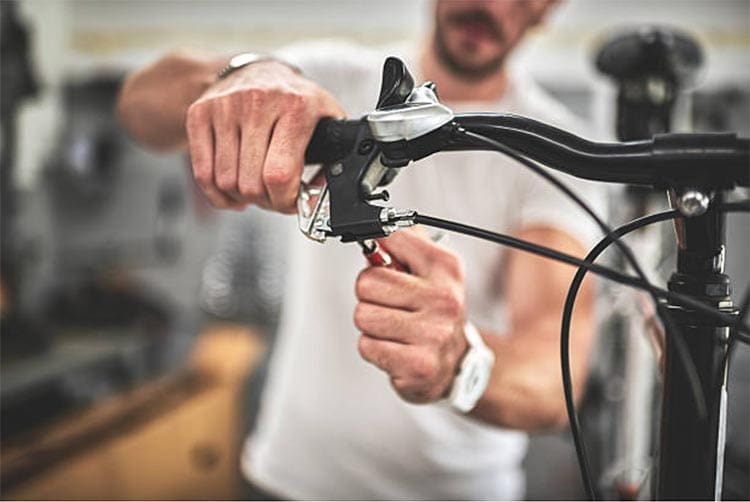
You may be able to file a claim against a bicycle manufacturer if defective brakes cause your accident. The manufacturer may be liable if a design flaw or manufacturing error caused the brakes to fail. Depending on the circumstances, a parts manufacturer, distributor, or repair shop may also be responsible if a defective component or negligent repair contributed to the crash.
Understanding how to file a bike accident legal claim can help injured cyclists identify who may be responsible and what compensation they may recover. Preserving the bicycle and its brake components, documenting your injuries, and gathering evidence of the failure can help establish the cause of the accident and support your claim. Keep reading for deeper insights!
When Can You Hold a Manufacturer Liable for Bicycle Brake Failure?
You may have grounds for a product liability claim when evidence shows the following:
-
The Brakes Had a Manufacturing Defect
A manufacturing defect occurs when a bicycle or brake component differs from its intended design because of an error during production or assembly.
For example, a brake cable may be improperly installed at the factory, or a component may be made with a flaw that prevents it from working safely. If the defect causes the brakes to fail and results in an injury, the manufacturer may be held liable under applicable product liability law.
-
The Brake System Had a Defective Design
A bicycle’s brakes may fail because of a design flaw that makes the braking system unsafe during normal or reasonably foreseeable use. For example, the design may cause a component to wear out prematurely or prevent the brakes from providing sufficient stopping power.
Under RCW 7.72.030(1), a manufacturer may be liable if its negligence in designing a product caused the claimant’s injury because the product was not reasonably safe as designed. Technical inspections and expert analysis may help determine whether the design contributed to the brake failure and whether a practical, safer alternative was available.
-
The Manufacturer Failed to Provide Adequate Warnings or Instructions
Manufacturers may have a duty to provide appropriate warnings or instructions about foreseeable risks associated with their products. A claim may arise if important safety information about the brake system was missing or inadequate and that failure contributed to the accident.
For example, unclear instructions about a required adjustment or an identified safety hazard may be relevant to the case. Whether the manufacturer is liable depends on the applicable law and whether the missing warning contributed to the injury.
-
A Defective Brake Component Came from Another Company
Bicycle braking systems may contain parts made by different manufacturers. If a defective brake lever, cable, caliper, rotor, or other component caused the failure, the company that manufactured that part may be responsible.
Depending on the circumstances, a distributor or seller may also face a product liability claim. Under Texas Civil Practice and Remedies Code § 82.003(a)(4), a nonmanufacturing seller may be liable if it substantially controlled the product’s warnings or instructions, those warnings were inadequate, and the inadequacy caused the claimant’s harm.
-
A Repair Shop or Mechanic Contributed to the Failure
Not every brake failure results from a manufacturing defect. A repair shop or mechanic may be responsible if careless installation, improper adjustments, or inadequate repairs caused the brakes to malfunction.
For example, a mechanic who fails to secure a brake cable properly may contribute to a crash. In such cases, a negligence claim against the repair provider may be more appropriate than, or may accompany, a product liability claim against the manufacturer.
-
You Suffered Injuries or Other Losses Because of the Failure
To pursue compensation, you generally need evidence connecting the brake failure to the accident and the losses you experienced. These losses may include emergency treatment, hospital bills, rehabilitation, lost wages, bicycle repairs, and pain and suffering.
Photographs of the bicycle, medical records, witness statements, and accident reports can help document what happened. The available compensation depends on the applicable law, the evidence, and the circumstances of the case.
Final Takeaways
- You may be able to hold a bicycle manufacturer liable if a defective design, manufacturing error, or inadequate warning caused brake failure and injuries.
- A manufacturer of a defective brake component may also be liable, depending on the circumstances.
- A repair shop or mechanic may be responsible if negligent maintenance or installation caused the brakes to fail.
- Medical records, accident reports, maintenance documents, and the bicycle itself can help establish the cause of the accident.