

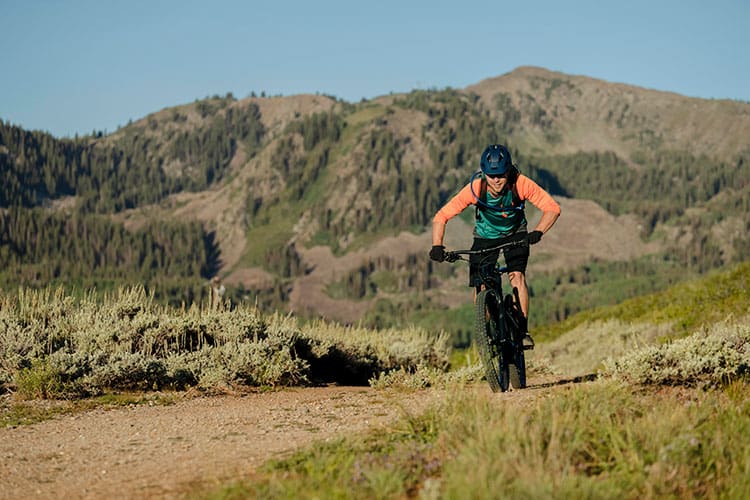
A mountain bike adventure in New Zealand is a great way to revel in the country’s rugged yet scenic landscapes. But to keep your experience fun and safe, maintaining respect for fellow trail users is essential. With New Zealand being a top destination for outdoor enthusiasts, its shared mountain bike trails are often busy with hikers, dog walkers, and riders of all skill levels. Following proper riding etiquette ensures that the trails remain enjoyable for everyone using them. Here are a few key considerations to keep in mind when exploring these paths.
Check If the Trail Has Special Rules, Permissions, and Passes
Local guidelines play a major role in how shared trails operate across New Zealand. Many routes sit within regional parks, conservation land, or private estates, each with its own expectations for access and conduct. Some trails allow riding only at certain times, while others restrict speed or direction of travel. Awareness of these conditions reduces the risk of conflict and protects continued access for riders.
Official sources provide the most reliable information about access conditions and trail requirements. Thus, make it a habit to check park noticeboards or council websites in advance of your ride. You can also refer to trailhead signage, as they often outline requirements such as permits or seasonal closures.
Ensure Your Mountain Bike Is in Good Condition Before Heading Out
Mechanical readiness affects both safety and courtesy on shared trails. A well-maintained bike responds predictably to the challenging terrain, giving you better control in crowded or narrow sections. With proper maintenance, you can rest easy knowing that your own safety is better protected and you aren’t putting other trail users at unnecessary risk.
Conducting a basic safety check before setting out is crucial. This gives you the opportunity to inspect your bike’s key components, such as its tyres, brakes, and drivetrain, helps prevent unexpected issues on the trail.
For added convenience and greater peace of mind, rent equipment from a reputable bike shop. They can ensure that all of their MTB bikes NZ customers rent are thoroughly serviced, ensuring reliable performance and a safer, more enjoyable experience on the trails.
Always Yield to Hikers, Equestrians, and Livestock
Shared trails in New Zealand accommodate a wide range of users. Apart from fellow cyclists, there are also hikers, horse riders, and, occasionally, livestock that frequent the paths. Yielding to other trail users isn’t only courteous but essential for safety. Hikers, for example, may be less aware of fast-approaching cyclists, as they’re often focused on navigating uneven terrain. Horses, on the other hand, can be easily startled by sudden encounters, which could lead to accidents. Meanwhile, livestock on the trail may behave unpredictably if approached too closely or too quickly.
Slowing down and giving a wide berth when passing reduces the risk of collisions. Clear communication, whether with a friendly greeting or a bell, lets others know you’re approaching. Exercising caution also minimises stress for both animals and fellow trail users. These considerate actions help maintain harmony on shared trails and ensure that all participants can enjoy their time outdoors without incident.
Give Priority to Uphill Bikers
Uphill riders face a greater physical challenge than those descending. Since they’re working against gravity, their speed is often limited and making sudden manoeuvres is more difficult. If you’re cycling downhill, make sure to offer uphill bikers the right of way. Stopping to let a climber pass prevents unnecessary fatigue and allows them to maintain a steady rhythm. When navigating narrow or winding trails, early visual contact is key. Signaling your presence and allowing sufficient space demonstrates awareness and consideration. Additionally, you should anticipate potential uphill traffic and adjust your speed accordingly, even if you think the path is clear. This ensures safer interactions and a more cooperative environment for all trail users.
Ride Responsibly to Minimize Trail Damage
Trail surfaces in New Zealand can be fragile, particularly after rain or in areas with loose soil. Riding recklessly or at excessive speeds increases erosion and leaves deep ruts, making paths harder to use for everyone. With this in mind, respecting the trail’s condition preserves its usability and reduces the need for costly maintenance.
Staying on the designated track is the most effective way to protect surrounding vegetation and prevent widening of the trail. Off-trail areas contain plants and soil that help maintain the trail’s stability, and riding over them can cause damage and accelerate wear. When approaching sharp turns, choose smooth lines and reduce your speed. This prevents unnecessary scraping or skidding, which can weaken the trail surface. Moreover, sudden braking should be managed carefully to avoid churning up the ground. Through these mindful riding practices, you can maintain the quality of the trails for current users and future generations.
Responsible riding is more than just demonstrating your skills. It’s also about showing respect for other trail users and the environment. Shared mountain bike trails remain safe and enjoyable when people are aware of their surroundings and considerate of all who share the path. That said, practicing these thoughtful behaviors can leave a positive impact not just on your own riding journey but also on the wider community.