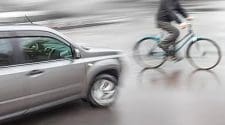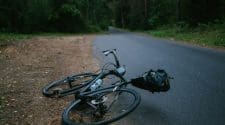


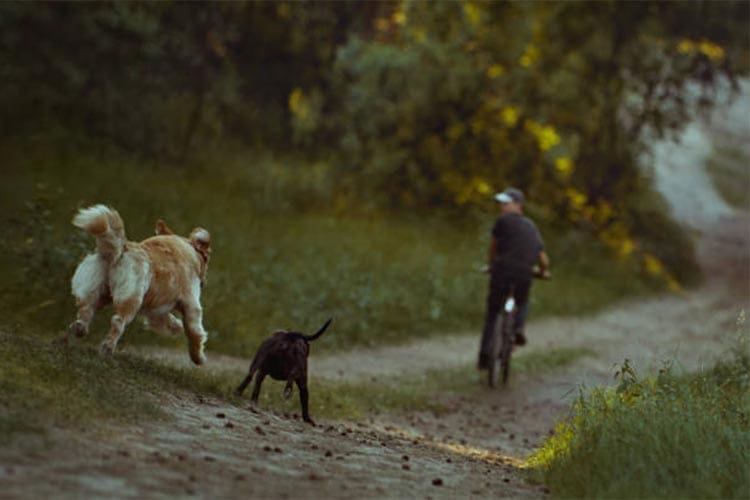
A dog does not have to bite someone to cause a serious accident. If a dog runs into a cyclist’s path, chases a bicycle, or causes the rider to swerve into traffic, the resulting injuries may still raise questions about the owner’s responsibility. The important issue is whether the dog’s behavior and the owner’s actions contributed to the crash.
Harlingen is located in Cameron County in South Texas, near the center of the Lower Rio Grande Valley. Situated between Brownsville and McAllen, the city connects to surrounding communities through major routes such as Interstate 2 and Interstate 69E. Its residential neighborhoods, local streets, and busy roadways bring cyclists into contact with pedestrians, pets, and motor vehicles. A dog roaming without proper control can create a sudden hazard for someone riding nearby.
A cyclist looking into a claim may consult a trusted Harlingen accident lawyer to understand how Texas law applies when an animal causes an injury without making physical contact.
The Absence of a Bite Does Not End the Discussion
A dog does not have to bite someone to cause an injury. It may chase a cyclist, block a narrow path, jump toward a moving bicycle, or run into the road.
For example, an unleashed dog may approach a bicycle, causing the rider to swerve and fall. Even without physical contact, the dog’s actions may have contributed to the crash.
A claim still requires evidence linking the dog’s behavior to the fall and showing that the owner failed to take reasonable precautions.
How Texas Law Looks at Dog-Related Injuries
Texas does not automatically hold dog owners liable for every dog-related accident. Depending on the circumstances, a claim may involve negligence principles and animal-control laws.
Texas Health and Safety Code Chapter 822 addresses dangerous dogs and owner responsibilities. In a cyclist’s injury claim, relevant questions may include whether the owner knew the dog chased cyclists, whether it was properly restrained, and whether reasonable precautions could have prevented the accident. Local animal-control rules may also apply.
What Evidence Can Connect the Dog to the Crash?
A no-bite incident can be disputed because there may be no obvious injury mark or direct physical contact. Evidence should therefore explain what the dog did and how the cyclist reacted.
Consider collecting:
- Names and contact details of people who witnessed the dog approaching.
- Photographs of the location, road layout, and any visible injuries.
- Video from a bicycle camera, nearby property, or traffic camera.
- Information identifying the dog and its owner.
- Medical records describing the injuries and treatment.
- Reports made to local animal control, if applicable.
A witness who saw the dog chase the cyclist may be particularly useful. Their account can help establish the connection between the animal’s behavior and the fall.
Could the Cyclist Share Responsibility?
The dog owner may argue that the cyclist was speeding, riding carelessly, or failed to react reasonably. Such arguments may affect how responsibility is divided.
Under Chapter 33 of the Texas Civil Practice and Remedies Code, a claimant’s compensation may be reduced based on their percentage of responsibility. However, recovery is barred if the claimant is more than 50 percent responsible.
For example, riding too fast on a crowded path may be considered alongside the owner’s failure to restrain the dog.
What Should You Do After a Dog-Related Cycling Accident?
First, move away from the road and seek medical attention if needed. Head injuries, fractures, and soft-tissue injuries can occur even when the rider falls without being struck by a vehicle.
Report the incident when appropriate and try to identify the dog and its owner. Avoid arguing at the scene or making assumptions about the owner’s knowledge of the dog’s behavior.
PRO TIP: Record whether the dog barked, chased, jumped, or entered your path to explain your reaction.
Frequently Asked Questions
1] Can I bring a claim if the dog never touched my bicycle?
Possibly. The key issue is whether the dog’s conduct foreseeably caused the crash and whether the owner or another responsible party acted negligently.
2] Does the owner have to know the dog chases cyclists?
Knowledge of the dog’s behavior may be relevant, particularly when evaluating whether the owner should have taken precautions. The applicable legal theory and facts matter.