


Effective fueling for long distance cycling rides is defined by meeting specific carbohydrate, hydration, and electrolyte targets matched to your effort intensity and ride duration. Sports nutrition standards from the American College of Sports Medicine and the UCI Sports Nutrition Project confirm that consistent fueling prevents bonking, the sudden energy collapse that ends rides early. The core principle is simple: your body burns through glycogen faster than you think, and hunger is a lagging indicator. By the time you feel empty, you are already behind. The right nutrition strategy keeps you strong from the first pedal stroke to the last.
How to fuel long distance cycling rides with carbohydrates
Carbohydrate intake is the single most important variable when fueling for endurance cycling. The current 2026 standards represent a major shift from pre-2010 guidelines, which capped recommendations at 30–60g per hour. Today’s targets are:
- Easy effort (zone 1–2): 30g per hour. A banana or a small rice cake covers this.
- Moderate effort (zone 3, up to 2.5 hours): 60g per hour. One gel plus a sports drink works well.
- Hard or long effort (zone 4–5, over 2.5 hours): 90–120g per hour. This requires multiple carb sources and a trained gut.
The reason you cannot simply eat more of one food to hit 90g per hour is physiological. Glucose alone saturates the SGLT1 intestinal transporter at around 60g per hour. Adding fructose, which uses the separate GLUT5 transporter, unlocks absorption rates up to 120g per hour. Elite protocols now use a 2:1 or 1:0.8 glucose-to-fructose ratio in gels and drinks to hit these targets. This is why checking the label on your gel matters. A product with only maltodextrin will cap your absorption well below what a hard century ride demands.
Timing is equally critical. Start eating within the first 30 minutes of your ride, then feed every 15–20 minutes regardless of hunger. Hunger onset is delayed during exercise, so waiting until you feel depleted puts you in a hole that is very hard to climb out of. Set a timer on your cycling computer if you need the reminder.
Pre-ride carb loading also matters. Eat a carbohydrate-rich meal 2–4 hours before your ride. Oatmeal, toast with honey, or rice with a light protein source all work well. This tops off liver and muscle glycogen before you even clip in.
Pro Tip: Mix savory real foods like rice cakes or salted pretzels with sweet gels during long rides. Palate fatigue from sweet fuels is a real barrier to consistent intake, and alternating flavors keeps you eating on schedule.
What are the best hydration and sodium strategies for long rides?
Hydration for long rides is not just about drinking water. Sodium replacement is equally critical, and getting the balance wrong in either direction causes problems.
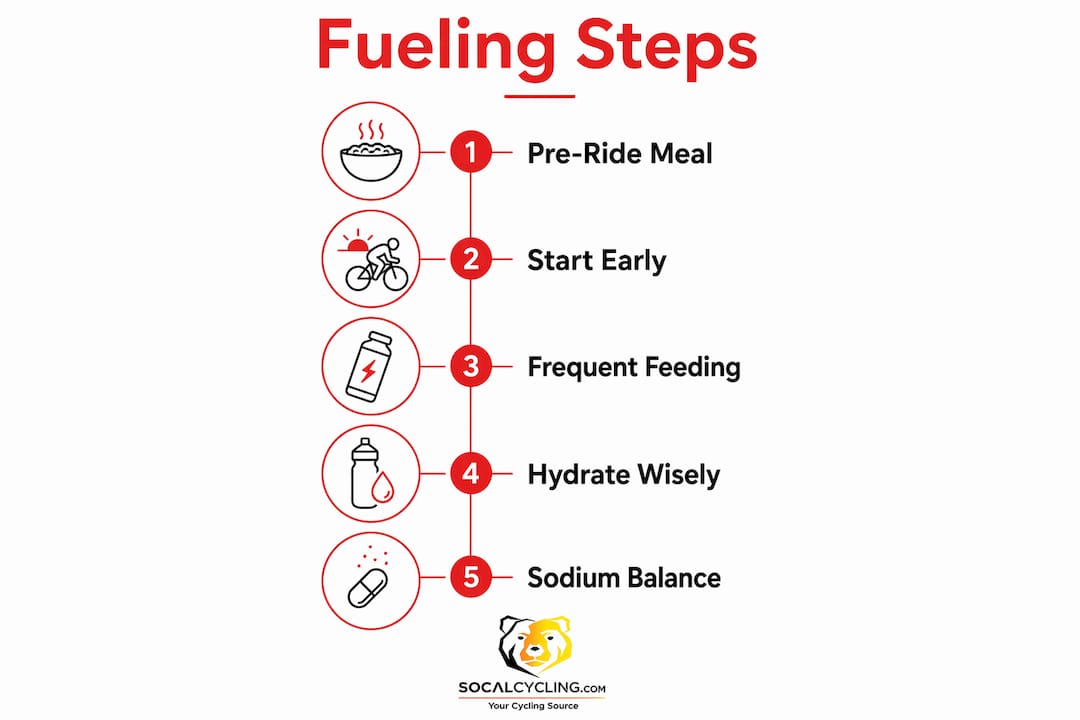
Fluid intake targets sit at 400–800 ml per hour, adjusted upward for heat, humidity, and high sweat rates. In mild conditions, drinking to thirst works well for most cyclists. In hot Southern California summer rides or multi-hour gran fondos, planned intake is safer because thirst alone can underestimate your actual fluid loss.
Sodium replacement targets are:
- Standard conditions: 300–700 mg per hour for rides over 90 minutes.
- Heavy sweaters or hot conditions: 1,000+ mg per hour to prevent hyponatremia, a dangerous drop in blood sodium caused by drinking too much plain water without replacing electrolytes.
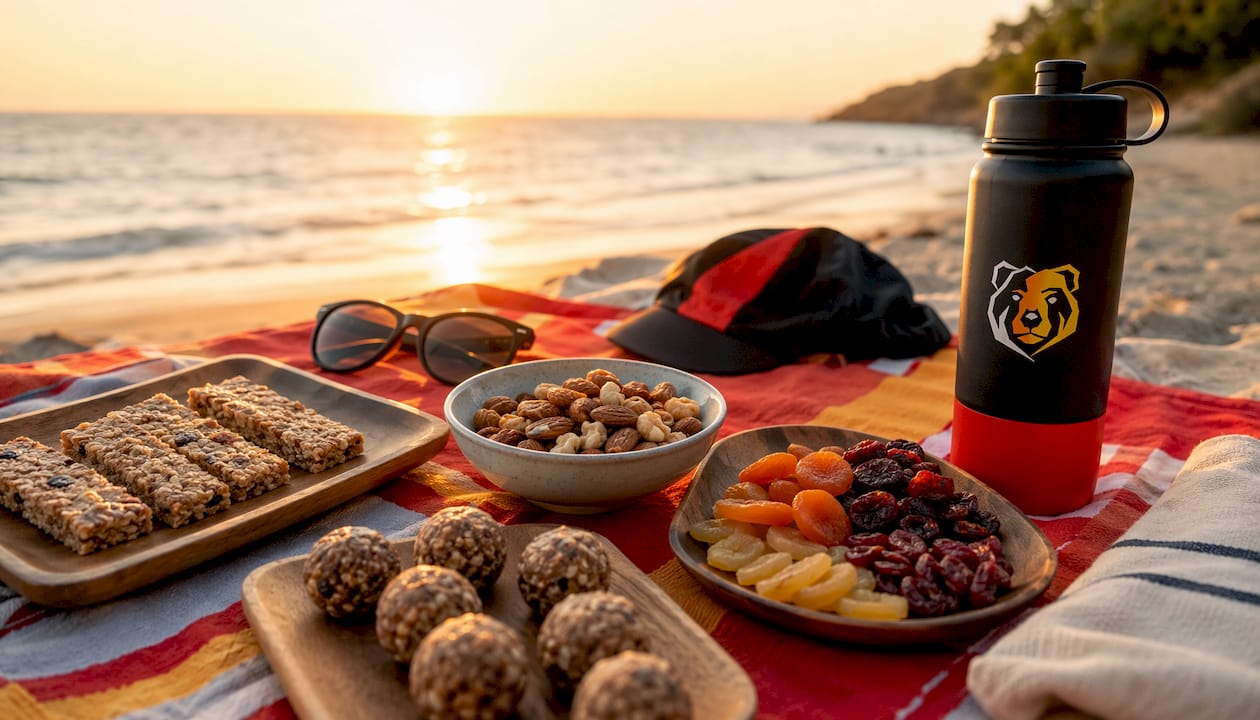
- Delivery options: Electrolyte tablets, sodium-containing sports drinks, or salty real foods like pretzels and salted nuts.
Hyponatremia is underappreciated as a risk. Most cyclists worry about dehydration, but drinking large volumes of plain water without sodium replacement dilutes blood sodium and causes nausea, confusion, and in severe cases, serious medical emergencies. The fix is simple: always add sodium to your fluids on rides over 90 minutes.
Pro Tip: Check your kit or jersey collar after a long ride. Heavy white salt stains indicate a high sweat sodium concentration. If you consistently see thick salt deposits, target the upper end of the sodium replacement range, 700–1,000+ mg per hour, and consider a sweat test through a sports dietitian for a precise number.
Understanding rest stop placement during events helps you plan your hydration and sodium refills strategically, especially on courses where carrying extra bottles is not practical.
How much protein do long distance cyclists actually need?
Protein is the recovery nutrient, not the performance fuel. During the ride itself, carbohydrates and fat do the work. After the ride, protein drives muscle repair and adaptation.
Daily protein targets for endurance cyclists sit at 1.6–2.2g per kilogram of bodyweight. For a 70kg cyclist, that means 112–154g of protein per day. Most cyclists eating a varied diet hit the lower end without much effort, but athletes training twice a day or doing back-to-back long rides benefit from targeting the upper range.
Post-ride timing matters more than most cyclists realize. Consuming 20–40g of protein within two hours of finishing a long ride maximizes muscle protein synthesis. Pair that protein with 1–1.2g per kilogram of carbohydrates to replenish glycogen at the same time. A chocolate milk, a Greek yogurt with fruit, or a rice bowl with chicken all hit both targets efficiently.
- Practical post-ride protein sources: Greek yogurt (17g per cup), eggs (6g each), canned tuna (25g per 3oz), cottage cheese (14g per half cup), and protein shakes when whole food is not available.
- Before sleep: A casein-rich snack like cottage cheese or milk supports overnight muscle repair during the longest recovery window of the day.
Healthy eating habits built around whole foods also support consistent training. For general guidance on eating well during travel or event weekends, the principles of timing and food quality apply directly to your cycling nutrition plan.
How do you train your gut for high carbohydrate intake?
The gut’s absorption capacity limits performance more than muscle glycogen does on long rides. Training the gut to handle 90–120g of carbohydrates per hour takes weeks of deliberate practice, not just race-day willpower.
The adaptation process works through two mechanisms. First, the intestinal transporters SGLT1 and GLUT5 increase in expression with repeated high-carb intake, meaning your gut literally becomes more efficient at absorbing fuel. Second, gastric emptying rates improve, so food moves from your stomach to your intestines faster and with less discomfort.
Follow this progression over 6–8 weeks:
- Weeks 1–2: Practice eating 60g of carbohydrates per hour on every training ride over 90 minutes. Focus on timing every 15–20 minutes.
- Weeks 3–4: Increase to 75g per hour. Introduce a glucose-fructose blend product alongside real food.
- Weeks 5–6: Target 90g per hour on your longest training rides. Note any GI symptoms and adjust product choices.
- Weeks 7–8: Attempt 90–120g per hour on a simulated race-effort ride. By this point, most cyclists tolerate it well.
Common GI problems, including bloating, cramping, and nausea, almost always result from jumping to high intake too quickly or using unfamiliar products. Concentrated gels taken without water are a frequent culprit. Always chase gels with 150–200 ml of water to aid absorption and reduce gut irritation.
Pro Tip: Never introduce a new gel, bar, or drink on race day. Test every product you plan to use during training rides at race-level intensity. What sits fine at an easy pace can cause serious GI distress when your heart rate climbs and blood flow shifts away from your gut.
Planning your nutrition strategy alongside your century ride training plan gives you the structured timeline to build gut tolerance progressively without rushing.
Key Takeaways
Effective fueling for long distance cycling rides requires matching carbohydrate intake, hydration, sodium, and protein to your effort level, timing each element consistently before, during, and after every ride.
| Point | Details |
|---|---|
| Carb targets by intensity | Consume 30g/hr easy, 60g/hr moderate, and 90–120g/hr for hard rides over 2.5 hours. |
| Use glucose-fructose blends | Pair glucose and fructose sources to absorb above 60g/hr and avoid transporter saturation. |
| Sodium replacement is non-negotiable | Replace 300–700 mg of sodium per hour; heavy sweaters need 1,000+ mg/hr to prevent hyponatremia. |
| Post-ride protein window | Eat 20–40g of protein within two hours of finishing to maximize muscle repair and glycogen recovery. |
| Train your gut progressively | Increase carb intake by 15g/hr every two weeks over 6–8 weeks to build absorption capacity without GI distress. |
The fueling lessons we learned the hard way
At Socalcycling, we have watched talented riders crack on long rides not because their legs gave out, but because their nutrition plan did. The most common mistake we see is treating fueling as optional for the first hour. Riders feel strong early, skip their first two feeds, and then spend the final 40 miles fighting a deficit they cannot recover from.
The mental side of good fueling is underrated. When your blood glucose stays stable, your decision-making stays sharp. You pick better lines, manage your effort more accurately, and stay motivated through the hard sections. Riders who bonk do not just slow down physically. They mentally check out, and that is when rides become miserable.
Our honest advice: build your nutrition plan before you build your training plan. Know your carb targets, test your products, and practice your timing on every long ride from week one. The riders who arrive at events with a practiced fueling routine perform better and enjoy the experience more. Nutrition is not a detail. It is the foundation.
Socalcycling.com: resources for endurance cyclists
Long distance cycling rewards preparation, and nutrition is only one piece of the puzzle. Socalcycling.com covers the full picture for serious cyclists across Southern California and beyond.

From California cycling events and race coverage to training guides and athlete development stories, Socalcycling.com gives you the information you need to show up ready. Whether you are targeting your first century, a gravel race, or a competitive road event, the event calendar and cycling event categories guide help you find the right challenge and prepare for it properly. Check the site regularly for new race reports, training content, and community rides that keep your motivation and fitness moving forward.
FAQ
What should I eat before a long cycling ride?
Eat a carbohydrate-rich meal 2–4 hours before your ride. Good options include oatmeal, toast with honey, or rice with a light protein source to top off glycogen stores without causing GI discomfort.
How many carbs per hour do I need on a long ride?
Carbohydrate targets range from 30g per hour for easy efforts to 90–120g per hour for hard rides lasting over 2.5 hours. Use a glucose-fructose blend to absorb above 60g per hour.
What are the best snacks for cycling long distances?
Energy gels, rice cakes, bananas, dates, and sports drinks all work well as energy foods for rides. Mix sweet and savory options to avoid palate fatigue and maintain consistent intake every 15–20 minutes.
How much water should I drink during a long ride?
Target 400–800 ml per hour, adjusted for heat and sweat rate. Always add sodium to your fluids on rides over 90 minutes to prevent hyponatremia.
When should I eat protein after a long ride?
Consume 20–40g of protein within two hours of finishing, paired with carbohydrates, to maximize muscle repair and glycogen replenishment. Greek yogurt, eggs, or a protein shake with fruit all meet this target efficiently.
Recommended
- How to Plan Century Ride Training: Your 12–28 Week Guide
- Why Cycling Events Have Rest Stops: A Rider’s Guide
- Cycling Sportive Explained: Your Complete Ride Guide
- Why Charity Cycling Rides Have Minimum Fundraising