

Determining how fast a vehicle was traveling before hitting a cyclist often requires more than eyewitness accounts. Physical evidence, including skid marks, vehicle damage, bicycle deformation, road conditions, and surveillance footage, can help accident investigators estimate speed. Even small details at the crash scene may reveal important clues about what happened.
Boulder, Colorado, is located about 25 miles northwest of Denver, at the foothills of the Rocky Mountains. Known for its outdoor recreation, extensive cycling paths, and active biking community, the city has many roads where cyclists and motor vehicles share space, making bicycle safety an important concern.
Anyone considering a bicycle accident injury claim in Boulder may benefit from understanding how speed-related evidence can help establish fault and support a compensation claim.
Physical Evidence That Helps Estimate Vehicle Speed
Investigators begin with the crash scene. Skid marks can show where a driver braked and how far the vehicle traveled. Road surface, slope, tires, and braking affect the calculation.
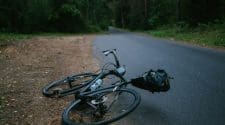
Broken glass, paint, and bicycle parts can help locate the first impact. Investigators map the debris and compare it with damage to the car and bicycle.
Vehicle and Bicycle Damage
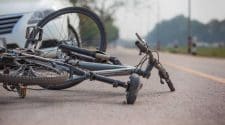
A crushed hood, broken windshield, or damaged bumper may show where the cyclist hit the car.
Damage rarely reveals exact speed by itself. Vehicle design, braking, and impact angle affect the result. Experts compare damage with crash tests and accepted reconstruction methods.
Video and Vehicle Data
Security cameras, dashcams, and phone recordings may show the vehicle before impact. If investigators know the distance covered and the time shown, they can calculate approximate speed.
Some vehicles store crash information in an event data recorder (EDR). Depending on the system, it may capture speed, braking, and throttle position shortly before a crash. Investigators need proper equipment and legal access.
The National Highway Traffic Safety Administration’s traffic safety report explains how federal agencies study crashes. NHTSA recorded 1,166 pedalcyclist deaths in 2023.
How Colorado Law Treats Speed
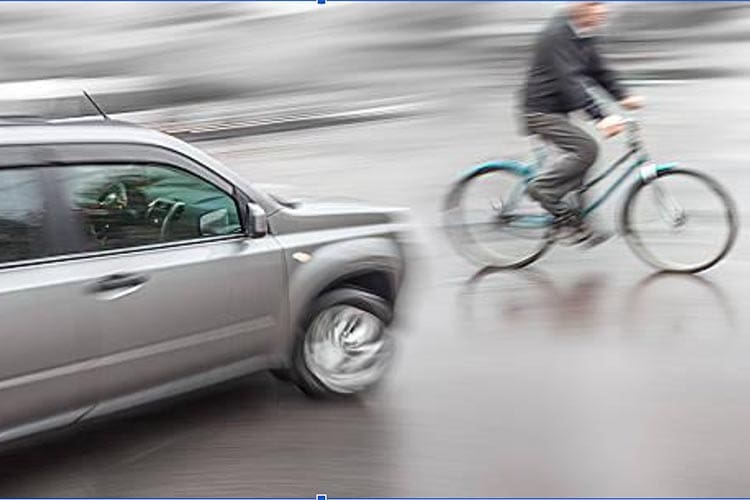
Colorado law requires more than obeying a posted limit. Under Colorado Revised Statutes § 42-4-1101, a driver must not travel “at a speed greater than is reasonable and prudent under the conditions then existing. “Rain, poor visibility, traffic, or a nearby cyclist may require a lower speed.
C.R.S. § 42-4-1402 addresses careless driving when someone drives without due regard for road conditions and other road users. Evidence must connect the driver’s conduct to the collision and resulting harm.
What Evidence Should You Preserve?
If safe, keep records that may explain what happened:
- Photograph the scene, vehicle, bicycle, road marks, and injuries.
- Record witness names and contact details.
- Keep the damaged bicycle, helmet, clothing, and broken parts.
- Request nearby camera footage before it is overwritten.
- Save medical records and receipts.
Avoid repairing or discarding damaged equipment before documenting it.
Frequently Asked Questions
1] Can experts determine the exact speed of a vehicle?
Not always. Accident reconstruction experts usually provide an estimated speed or range. They compare skid marks, vehicle damage, impact measurements, video footage, and electronic data to reach a reliable conclusion.
2] Do missing skid marks mean the driver did not brake?
No. Anti-lock braking systems, road surfaces, weather, and tire conditions can prevent visible skid marks. Investigators use other physical evidence to determine whether the driver attempted to stop.
3] Does speeding automatically prove fault in a bicycle accident?
No. Investigators must consider right of way, road conditions, visibility, and driver behavior. They also examine whether excessive speed contributed to the collision or made the cyclist’s injuries worse.
Key Points to Remember
- Skid marks, debris, and road conditions help investigators estimate vehicle speed.
- Vehicle and bicycle damage can reveal the force and direction of impact.
- Dashcam footage and event data recorders may provide speed and braking information.
- Colorado law requires drivers to adjust their speed to traffic and road conditions.
- Preserving photos, damaged equipment, and witness details can help support a compensation claim.