
A big race is months away. You’re motivated. Then you’re hit with things unplanned. Work piles up. A cold hits. Or you simply need a break after a hard time. Suddenly, your training plan shows more rest days than ride days.
Frustrating? Sure. But these weeks don’t have to mean lost opportunities. Smart cross-training is the answer. It lets you maintain endurance and leg strength, even without the bike. You can come back stronger. Know what works and what doesn’t.
Indoor Cardio To Make You Stronger
Time on the gym floor doesn’t replace the open road. However, it will maintain your aerobic fitness while the bike rests. Pick equipment that mimics the demands of cycling without too much stress on your body.
Need to choose between elliptical machines and treadmills? The elliptical wins this battle. Its circular motion closely resembles a smooth pedal stroke. It elevates your heart rate. The best thing is that they are gentle on your knees and joints. Treadmills have their place for high-impact conditioning. However, they introduce pounding that your legs don’t experience on the bike.
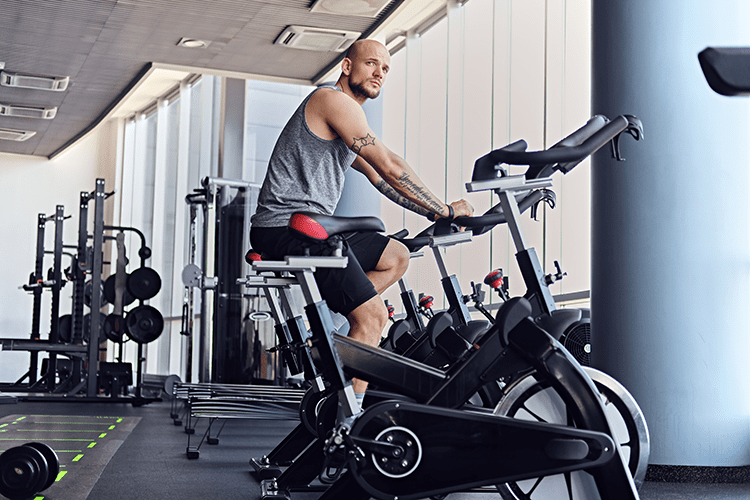
Rowing machines are great. They build endurance while engaging your muscles. A solid 45-minute row at a steady pace tunes your body. Stationary bikes also work. Mix other options. They prevent boredom and build balanced fitness. Choose one machine per workout and commit to sustained effort at a tempo pace.
Include Strength Training In Your Routine
Most cyclists avoid the weight room. They worry about bulking up or wasting energy that belongs on the bike. Smart strength work when you’re running low on cycling miles for weeks preserves the muscle power you’ve worked so hard to build. You return to the bike stronger, not slower.
- Goblet Squats: Hold one dumbbell at your chest and squat deep. This builds quad and glute strength without loading your spine. Focus on controlled movement down and explosive drive up.
- Bulgarian Split Squats: Place one foot on a bench behind you. Squat with the front leg. This single-leg work translates directly to the pedal stroke. Start with just your bodyweight.
- Deadlifts: Use a kettlebell or dumbbells. Hinge at your hips and not your lower back. This strengthens your glutes and hamstrings. Those are where real cycling power comes from.
- Single-leg Glute Bridges: Lie on your back. Keep one foot flat. Extend the other leg. Drive through the heel. Squeeze your glute at the top. Perfect for activating muscles that go dormant on long rides.
- Planks: A strong core stabilizes your pelvis when you. You’ll climb better. Your back will feel less fatigue. Hold for 45-60 seconds. Quality is more important than duration.
Control Fatigue With Clear Caps
Cycling cross-training can drain. That happens only if you let it. The goal isn’t to crush yourself. It’s to stay fit and save energy until you return to the bike. That means setting clear limits before you start.
Treat off-bike work like training credits with a fixed budget. Cap gym sessions at 45 minutes. Keep intensity moderate. Stop each set with one good rep left in the tank. Breathing hard? Couldn’t hold a conversation? You are doing too much. Walk out feeling energized. Not wrecked. Your legs will thank you when you clip back in.
Use Recovery Time to Improve Fitness
Recovery doesn’t mean doing nothing. The right kind of easy movement can speed healing while maintaining an aerobic baseline. The difference lies in intention. You’re not trying to stress the system. You’re encouraging blood flow and flushing metabolic waste.
Active recovery works best when the intensity is slow. A 30-minute walk at a conversational pace. A light elliptical session where you barely sweat. Gentle stretching. Foam rolling while watching TV. These activities promote recovery without adding fatigue. Your body repairs itself faster when moving gently versus being completely still.
Don’t underestimate the value of complete rest days either. There are times when the smartest workout is none at all. Use that time for mobility work. Do five minutes of stretching before bed. Your fitness gains actually happen during rest, not during workouts.
Wrapping Up
A frustrating break from the bike. That was the old way of seeing it.
Now you know better. These weeks build something deeper. You become stronger. You fortify your legs. You walk into the gym with clarity, not confusion. The bike will wait. You won’t just pick up where you left off when you return. You’ll arrive stronger than before. Go get it.
Return to the saddle refreshed instead of rusty. Clip in stronger than before. That’s the real win.
Photo from Freepik