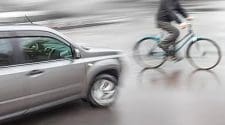



An ordinary Uber drop-off can quickly turn into a serious accident when a passenger opens a car door without checking for approaching cyclists. New York City has busy streets, heavy traffic, and designated bicycle lanes throughout many neighborhoods, making cyclists vulnerable to collisions with parked or stopping vehicles.
With many residents and visitors relying on bicycles for daily transportation, dooring accidents can cause serious injuries and unexpected financial losses. The incident is commonly known as dooring, and determining who pays for the resulting damages depends on negligence, insurance coverage, and the circumstances surrounding the crash.
Understanding liability in rideshare accidents in NYC requires looking beyond the person who physically opened the door. The passenger, Uber driver, vehicle owner, and potentially other parties may face legal responsibility depending on their actions. New York traffic laws provide important protections for cyclists injured in these situations.
Understanding New York’s Door-Opening Law
New York Vehicle and Traffic Law Section 1214 prohibits anyone from opening a vehicle door on the side exposed to moving traffic unless it is reasonably safe. The door must also be closed when necessary to avoid interfering with traffic.
This requirement applies to passengers as well as drivers. Someone exiting an Uber must check for approaching bicycles, motorcycles, and other road users before opening the door. Failing to take reasonable precautions can establish negligence and create grounds for a personal injury claim.
New York courts have addressed these situations in several decisions. In Yonah v. Fast Ride Car Service Inc. (2025), a court considered injuries involving a cyclist struck by a passenger opening a vehicle door. The decision discussed how opening a door to exit a vehicle can constitute the use and operation of a motor vehicle under New York law.
Who Can Be Held Responsible?
Liability is not automatically limited to the passenger. Several parties may share responsibility, depending on the evidence.
1. The Uber Passenger
The passenger who opens the door without checking for approaching cyclists may be directly responsible for the collision. If their careless actions cause injuries, the cyclist may pursue compensation through an appropriate legal claim.
2. The Uber Driver
A driver may also face liability if they stop in an unsafe location, obstruct a bicycle lane, or fail to take reasonable precautions during passenger drop-off. Drivers are expected to operate their vehicles responsibly and consider surrounding traffic conditions.
3. The Vehicle Owner
Under New York Vehicle and Traffic Law Section 388, a vehicle owner may be held vicariously liable for negligence involving someone using the vehicle with permission. This provision can become particularly important when a passenger negligently opens a door.
4. Uber and Its Insurance Coverage
Uber’s insurance arrangements may become relevant when an accident occurs during an active trip. However, coverage depends on the driver’s status, applicable policy terms, and the circumstances of the incident. The company’s involvement does not automatically mean it must personally pay every claim.
What Compensation Can an Injured Cyclist Receive?
An injured cyclist may seek compensation for several categories of losses, including:
- Emergency treatment, hospital bills, and rehabilitation expenses.
- Lost wages and reduced future earning capacity.
- Physical pain, emotional distress, and suffering.
- Bicycle repairs or replacement costs.
- Other documented accident-related expenses.
The available compensation depends on the severity of injuries, supporting evidence, insurance coverage, and applicable legal rules.
What If the Cyclist Was Partially Responsible?
New York follows a comparative negligence system. This means an injured cyclist may still recover compensation even if their actions contributed to the accident.
For example, an insurance company might argue that the cyclist was speeding or failed to maintain a reasonable lookout. If the cyclist is found partially responsible, their compensation may be reduced according to their share of fault rather than automatically denied.
Key Takeaways
- Passengers must check before opening vehicle doors into traffic.
- Uber drivers may share liability when unsafe stopping contributes to an accident.
- Vehicle owners may face responsibility under New York law.
- Applicable rideshare insurance may help cover qualifying damages.
- Comparative negligence can reduce compensation but does not necessarily eliminate recovery.
- Evidence, witness statements, photographs, and medical records can strengthen an injury claim.
Image by prostooleh on Magnific