


Gravel racing is defined as competitive cycling on unpaved roads, gravel paths, and mixed-surface terrain, and the United States hosts some of the world’s most celebrated examples of the discipline. From the iconic 200-mile Unbound Gravel in Emporia, Kansas, to intimate grassroots events like COWabunga! in rural Arkansas, gravel race event examples in the United States span every distance, difficulty level, and community size imaginable. The sport has exploded in 2026, drawing WorldTour professionals and first-time gravel riders into the same starting field. Whether you are chasing a podium or your first finish line, there is a U.S. gravel event built for you.
1. Unbound Gravel: the flagship of American gravel racing
Unbound Gravel is the world’s most prestigious gravel event, drawing approximately 5,000 riders annually to the Flint Hills of Emporia, Kansas. That scale makes it the clearest benchmark for what top gravel cycling events look like at their peak. The signature 200-mile distance is the one that defines careers, but the event also offers 25-mile, 100-mile, and 350-mile options, making it accessible across a wide range of fitness levels.
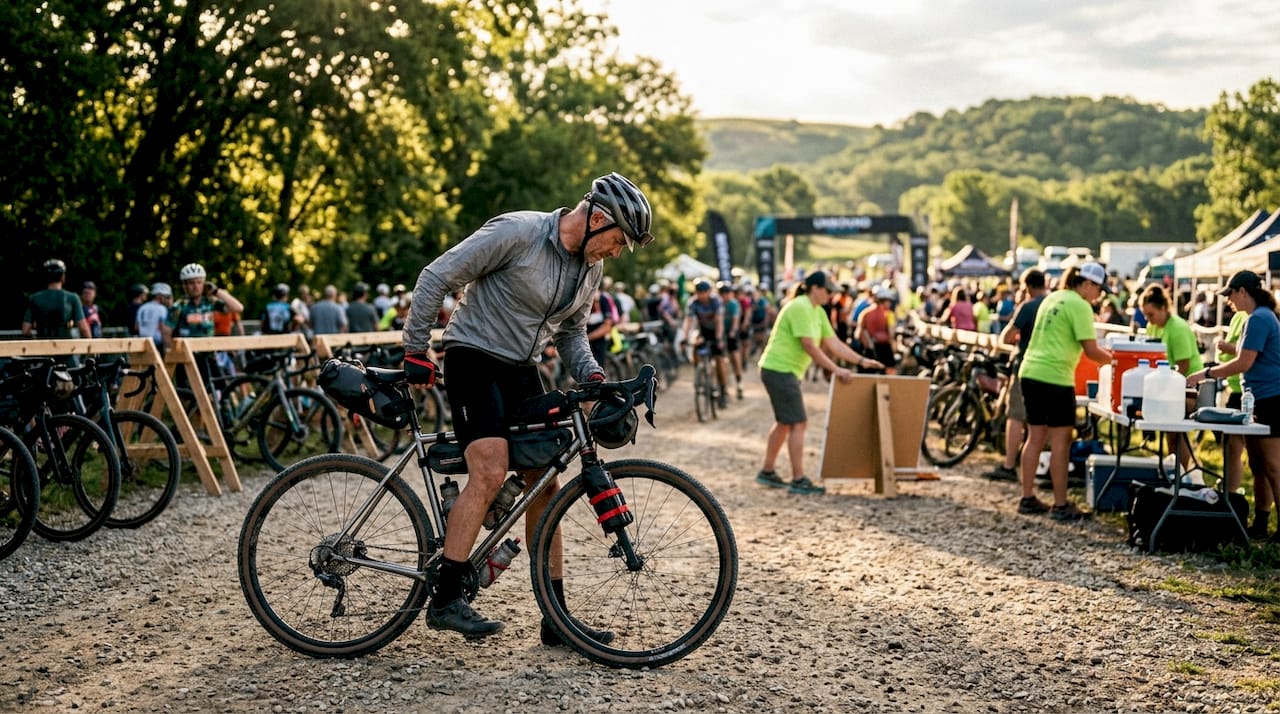
Entry into the 200-mile distance requires navigating a lottery registration that opens in the fall of the prior year. Spots fill so fast that riders who miss the lottery window are simply out of luck until the following season. This demand reflects both the event’s prestige and the broader growth of popular gravel races in the U.S.
What makes Unbound genuinely unique is the blending of elite and amateur competition in the same field. WorldTour professionals from teams like EF Education and Canyon SRAM line up alongside weekend riders, a dynamic that no traditional road race replicates at this scale.
Pro Tip: Register for the Unbound Gravel lottery the moment it opens each fall. The 200-mile distance sells out within days, and waitlist spots rarely convert to confirmed entries.
2. SBT GRVL: Colorado’s multi-day gravel festival
SBT GRVL, held annually in Steamboat Springs, Colorado, is one of the top gravel cycling events in the Mountain West. The event runs a multi-day format that combines competitive racing with a festival atmosphere, drawing riders from across the country to the high-altitude terrain of Routt County. Distance options range from 36 miles to 144 miles, giving riders a genuine choice based on fitness and ambition.
The Steamboat setting adds a layer of difficulty that flat-state events cannot replicate. Riders contend with elevation gain, exposed ridgelines, and unpredictable mountain weather, all of which demand specific preparation in terms of gear and pacing strategy. SBT GRVL has also built a reputation for exceptional post-race programming, including live music, local food vendors, and athlete panels.
The event sits within the UCI Gravel World Series, which comprises 40 to 50 global qualifying events in 2026. Top 25% finishers in each age and gender category earn qualification spots for the UCI Gravel World Championships, meaning SBT GRVL carries real competitive stakes for age-group athletes chasing a world title.
3. Barry Roubaix: Michigan’s punishing spring classic
Barry Roubaix, held in Hastings, Michigan, is nicknamed “The Killer Gravel Race” and earns that label through a combination of early-season cold, relentless gravel roads, and punchy climbs through Barry County. The event draws several thousand riders each spring and offers distances of 36 miles and 62 miles, both of which feel significantly harder than the mileage suggests due to terrain and conditions.
The race takes direct inspiration from the Paris-Roubaix cobblestone classic in France, translating that suffering-as-sport philosophy onto American gravel. Riders who finish Barry Roubaix often describe it as a confidence builder for longer events later in the season. The event is also one of the earlier entries on the U.S. gravel calendar, typically held in April, which makes it a popular season-opener for Midwest cyclists.
4. Belgian Waffle Ride: West Coast grit with a European soul
The Belgian Waffle Ride, with editions in California, Arizona, Utah and Montana, is one of the best-known gravel bike race examples on the West Coast. The original San Diego edition mixes paved climbs, singletrack, and gravel roads into a format that punishes riders who show up with only a gravel bike mentality. The course is deliberately designed to be uncomfortable, rewarding riders who train across multiple surfaces.
The event’s name references the Belgian cycling tradition of racing in miserable conditions without complaint. That ethos carries through to the race-day experience, where mechanical support is minimal and self-sufficiency is expected. The Belgian Waffle Ride has grown into a gravel race series USA fixture, with each regional edition carrying its own terrain personality.
5. COWabunga! Gravel Race: Arkansas community racing at its best
COWabunga! Gravel Race, held in Viola, Arkansas, is one of the clearest gravel bike race examples of what grassroots community events do better than their large-scale counterparts. The race offers multiple distances starting from a local park, with options designed to welcome families, beginners, and competitive riders in the same space. The festive atmosphere rivals the race itself in importance to many participants.
The Ozark terrain surrounding Viola delivers genuine gravel character: rolling hills, creek crossings, and rural roads that see almost no car traffic on race day. Entry fees are kept accessible, and the event actively promotes local culture through food, music, and community vendors. COWabunga! demonstrates that post-race festivals and charitable fundraising are as central to grassroots gravel culture as the riding itself.
6. Rattlesnake Gravel Grind: West Texas community and charity
The Rattlesnake Gravel Grind is a multi-day West Texas festival that blends competitive racing with community celebration and charity support. The event draws riders from across the nation, which is remarkable given its remote location, and features multiple distance options to accommodate varying ability levels. The philanthropic component is not an afterthought: a meaningful portion of proceeds goes directly to local causes.
West Texas gravel is a specific experience. The terrain is open, exposed, and relentlessly flat in sections, then interrupted by caliche roads that punish narrow tires. Riders who underestimate the wind and heat at Rattlesnake Gravel Grind typically pay for it in the back half of the course. The event rewards preparation and punishes overconfidence, which is part of its appeal for experienced riders seeking a challenge outside the usual Midwest or Mountain West circuit.
7. How format, terrain, and distance vary across U.S. gravel events
Gravel races in the United States range from 17-mile fun rides to ultra-endurance 350-mile challenges, and that range is not cosmetic. The terrain, equipment demands, and physical preparation required shift dramatically across that spectrum. Understanding these differences is the most practical step a rider can take before committing to an event.
| Event type | Distance range | Terrain character | Recommended equipment |
|---|---|---|---|
| Grassroots community ride | 17 to 50 miles | Gravel roads, mild elevation | Standard gravel bike, 38-42mm tires |
| Regional competitive event | 50 to 100 miles | Mixed gravel, some technical sections | Gravel bike, 40-45mm tires, tubeless |
| Marquee endurance race | 100 to 200 miles | Rugged gravel, creek crossings, mud | Gravel or hard-tail MTB, 45mm+ tires |
| Ultra-endurance challenge | 200 to 350+ miles | All of the above, remote terrain | Hard-tail MTB or loaded gravel bike |
Equipment choice is directly influenced by terrain severity. Some routes favor gravel-specific bikes with wide tires, while others suit hard-tail mountain bikes due to technical challenges. Riders who show up to a 200-mile event on a bike optimized for smooth gravel roads often discover that mid-race equipment failure is a very real consequence of poor planning.
Pro Tip: Run tubeless tires at every gravel event above 50 miles. A single flat with an inner tube in a remote section of a 100-mile course can cost 20 minutes or more. Tubeless sealant handles most punctures without stopping.
8. Key considerations for planning your U.S. gravel race participation
Choosing and entering a gravel event requires more strategic thinking than signing up for a local road race. The most popular events use lottery or first-come registration systems that close months before race day. Here is a practical framework for planning your 2026 gravel race calendar:
- Identify your target distance and terrain. Be honest about your current fitness and the terrain you train on regularly. A rider based in flat Florida will need specific preparation before tackling a Colorado mountain gravel event.
- Research registration windows early. Unbound Gravel’s 200-mile lottery opens in the fall. SBT GRVL registration fills within hours of opening. Missing these windows means waiting a full year.
- Budget for travel and gear. Many of the best gravel races in America are in rural locations. Factor in lodging, food, and transportation costs alongside entry fees, which typically range from $75 to $250 depending on event scale.
- Check for UCI Gravel World Series qualification. If you are a competitive age-group rider, events within the UCI series offer a path to the World Championships. The top 25% of finishers in each category qualify.
- Connect with local cycling groups. Riding with others who have completed your target event is the fastest way to get accurate course intelligence. Use resources like local cycling groups to find riders with direct experience.
- Review cancellation and refund policies. Grassroots events often have more flexible policies than large commercial productions. Read the fine print before paying a non-refundable entry fee.
- Plan your post-race experience. Many grassroots events include charity cycling components and community festivals that are worth staying for. They are often the most memorable part of the weekend.
Key takeaways
The best gravel race event examples in the United States combine elite competition, diverse terrain, and community culture into experiences that road racing simply cannot replicate.
| Point | Details |
|---|---|
| Marquee events require early action | Unbound Gravel’s lottery and SBT GRVL registration close months before race day. |
| Terrain dictates equipment | Routes ranging from mild gravel to creek crossings demand different tire widths and bike geometry. |
| Grassroots events offer real value | COWabunga! and Rattlesnake Gravel Grind deliver community, charity, and competitive racing in one package. |
| UCI series adds competitive stakes | Top 25% finishers at qualifying events earn World Championship spots, open to amateurs. |
| Planning is the real first event | Registration timing, gear selection, and travel logistics determine your race-day experience before you ride a mile. |
Our take on where American gravel racing is headed
We have covered gravel racing at SoCalCycling.com since before it had a formal name, and the shift we are watching most closely in 2026 is the tension between the sport’s grassroots soul and its growing commercial infrastructure. Events like Unbound Gravel and SBT GRVL are genuinely excellent productions, but they now operate at a scale where the community feel that originally defined gravel racing can get lost in the logistics.
The events that are most exciting right now are the mid-size regional races: events with 500 to 1,500 participants, strong local character, and course designs that prioritize adventure over spectacle. COWabunga! in Arkansas and Rattlesnake Gravel Grind in Texas are two examples that get this balance right. They are not trying to be Unbound Gravel. They are trying to be themselves, and that is exactly what makes them worth traveling for.
One thing we tell every rider who asks us where to start: do not wait until you feel “ready” for a big event. Sign up for a 50-mile grassroots race, show up with the right tires, and let the course teach you what you need to work on. The gravel community is genuinely welcoming, and the sport rewards curiosity more than it rewards perfection. We expect the U.S. gravel calendar to keep expanding through 2026 and beyond, with more regional events filling the gaps between the marquee races. That is good news for every rider at every level.
Stay connected to U.S. gravel racing with SoCalCycling.com
SoCalCycling.com tracks the full spectrum of American cycling events, from elite gravel race series coverage to grassroots community rides you might not find anywhere else. Whether you are researching upcoming gravel events in the USA or looking for a cycling sportive guide to understand different event formats, SoCalCycling.com has the reporting and resources to help you plan with confidence.

Our event calendar and race coverage pages are updated throughout the season with registration links, course previews, and post-race reports. Visit SoCalCycling.com to explore the full 2026 gravel race calendar, connect with the cycling community, and get the information you need to line up at your next event fully prepared.
FAQ
What is a gravel race?
A gravel race is a cycling event held primarily on unpaved roads, gravel paths, and mixed-surface terrain, typically ranging from 17 miles to over 350 miles. Unlike traditional road races, gravel events blend competitive racing with adventure riding and often welcome both professionals and beginners in the same field.
What are the most well-known gravel race events in the United States?
Unbound Gravel in Emporia, Kansas, is the most prestigious U.S. gravel event, drawing approximately 5,000 riders annually. Other top examples include SBT GRVL in Steamboat Springs, Colorado, Barry Roubaix in Michigan, and the Belgian Waffle Ride in California.
How do I enter popular gravel races like Unbound Gravel?
Unbound Gravel’s 200-mile distance uses a lottery registration system that opens in the fall of the prior year, and spots fill within days. Riders should monitor registration announcements closely and enter the lottery as soon as it opens to maximize their chances.
What bike and tires do I need for a gravel race?
Equipment depends on the course terrain. Most gravel events favor a gravel-specific bike with 38mm to 45mm tubeless tires, while ultra-endurance or highly technical routes may suit a hard-tail mountain bike. Checking the specific event’s course description before selecting gear is the most reliable approach.
Are there beginner-friendly gravel races in the U.S.?
Yes. Grassroots events like Bedrock Valley Gravel Race in California as short as 22 miles with a welcoming community atmosphere. Many regional events across the country provide short-course options specifically designed for newer riders entering the sport.
Recommended
- Cycling Sportive Explained: Your Complete Ride Guide
- SoCalCycling.com | California Cycling Events, News and Racing
- How to Join a Charity Cycling Ride Fundraiser
- Find a Cycling Group Near Me: Your 2026 Guide