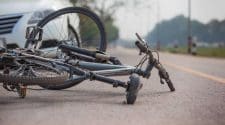

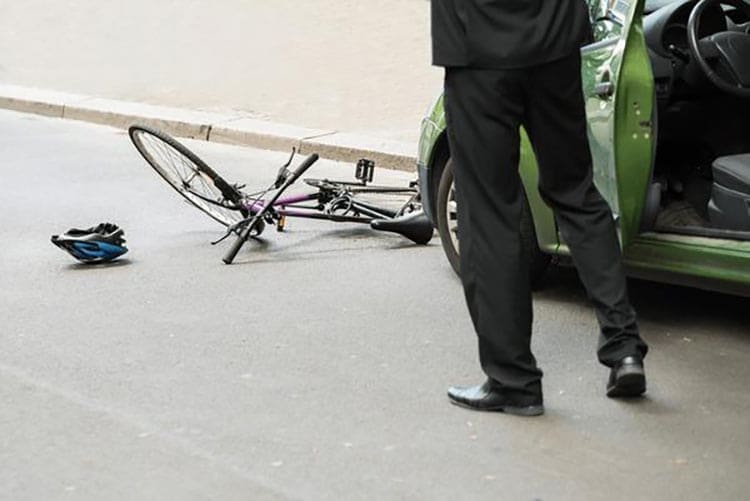
When a driver hits a bicyclist in Denver, the driver may be liable when their negligence, such as speeding, distracted driving, failing to yield, or making an unsafe turn, caused the crash. However, liability is not automatic. Investigators and insurance companies may examine the actions of both the driver and bicyclist before determining who was responsible and whether compensation is available.
Denver is a major Colorado city where bicycling is a common way to travel, commute, and enjoy the outdoors. The Colorado Department of Transportation reports that Denver is among the Colorado cities with a high number of bicycle commuters, and many bicycle injuries and fatalities occur in urban areas. For someone looking for a Denver bicycle accident attorney, understanding how fault is determined can be an important first step after a collision.
The Driver May Be Liable for Failing to Yield
Drivers have a responsibility to watch for bicyclists and follow traffic laws.
A driver may be responsible when they fail to yield at an intersection, turn into a bicyclist’s path, change lanes without checking, or otherwise fail to operate the vehicle safely. Colorado law gives bicyclists many of the same rights and responsibilities as motorists.
If the driver’s failure to follow these rules causes the crash, that conduct can become important evidence in a personal injury claim.
Drivers Can Be Liable for Unsafe Passing
Passing a bicyclist too closely can create a serious risk of collision.
Colorado’s three-foot passing law requires drivers and motorcyclists to provide bicyclists with at least three feet of space when passing. If there is not enough room to safely maintain that distance, drivers must slow down and remain behind the bicyclist until passing can be done safely.
A collision resulting from an unsafe passing maneuver may therefore support a claim against the driver.
Drivers May Be Liable for Violating Bicycle Lane Rules
Bike lanes provide designated space for bicyclists, and drivers must pay attention when crossing or entering them.
Under Colorado Revised Statutes § 42-4-714, a driver must yield the right-of-way to a bicyclist in a bicycle lane. If violating this rule causes a crash or bodily injury, the law provides for consequences related to careless driving.
Evidence such as traffic-camera footage, photographs, witness statements, and the police report may help establish what happened.
The Driver May Be Liable for Distracted or Impaired Driving
Distraction can prevent a driver from seeing a bicyclist until it is too late.
Texting, using a phone, adjusting controls, eating, or focusing on something inside the vehicle may contribute to a collision. Impaired driving can also affect reaction time and judgment.
When evidence shows that this behavior contributed to the crash, it may strengthen the bicyclist’s argument that the driver was negligent.
A Bicyclist Can Also Share Responsibility
A driver is not automatically responsible simply because a car and bicycle collided.
Colorado law generally gives bicyclists the same rights and duties applicable to drivers, subject to bicycle-specific rules. If a bicyclist violates a traffic rule and that conduct contributes to the crash, the bicyclist’s actions may become part of the liability analysis.
For example, evidence that a bicyclist ignored a traffic signal or entered the roadway in an unsafe manner could affect how fault is assigned.
Fault Can Be Shared Between Both Parties
Sometimes both the driver and bicyclist contributed to an accident.
Colorado’s comparative negligence rules allow responsibility to be divided based on each party’s contribution to the incident. This means an injured bicyclist’s conduct may affect the amount of compensation that can ultimately be recovered.
Insurance companies may therefore investigate every part of the crash rather than simply accepting one person’s account.
Evidence Can Help Establish Who Was Responsible
Strong evidence can make a major difference in determining liability.
Useful evidence may include:
- Police reports
- Photographs of the crash scene
- Bicycle and vehicle damage
- Traffic or surveillance camera footage
- Dashcam recordings
- Witness statements
- Medical records
- Accident reconstruction evidence
- Cellphone or other digital records
The sooner relevant evidence is preserved, the easier it may be to establish how the collision occurred.
What Should an Injured Bicyclist Do?
After a collision, seek medical attention even if your injuries initially seem minor. Report the crash to law enforcement, document the scene if you can do so safely, collect witness information, and preserve photographs and other evidence.
Avoid making statements that accept blame before the circumstances are fully understood. Insurance companies may use statements about the accident when evaluating a claim.
Key Takeaways
- A driver may be liable when negligent driving causes a bicycle crash.
- Failing to yield, unsafe passing, distracted driving, and unsafe turns can contribute to liability.
- Colorado requires drivers to give bicyclists at least three feet when passing.
- Drivers must yield to bicyclists in designated bicycle lanes.
- Bicyclists also have legal duties and may share responsibility for a crash.
- Fault can be divided when both parties contributed to an accident.
- Photographs, video, witnesses, medical records, and other evidence can help establish liability.
- Serious or disputed bicycle accident claims may benefit from professional legal guidance.