

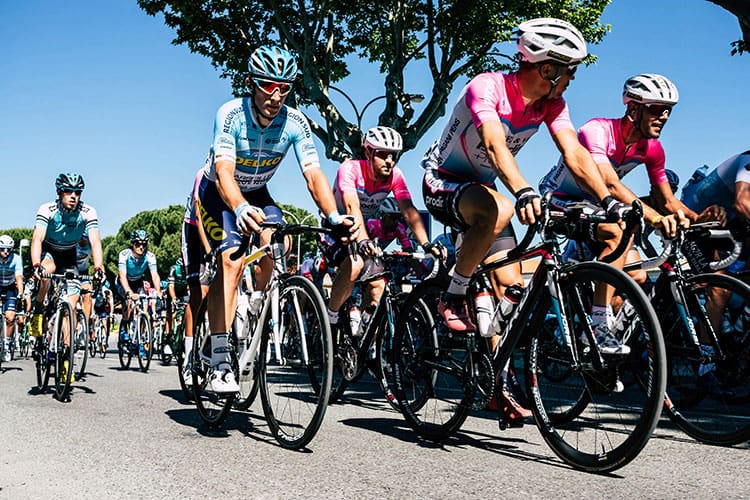
Cycling doesn’t return with a bang. There’s no single weekend that announces the new season. Instead, it starts slowly, almost cautiously, and February is where that restart becomes visible. By this point, riders have already been training for months. Winter camps are done. New teams have been formed. Equipment has been tested in controlled environments. February is the first time all of that work gets exposed to real racing conditions. The results matter less than the behavior.
Early Races Are About Rhythm, Not Dominance
February races don’t usually produce dominant performances that last all season. What they do show is rhythm, and that’s important for anyone who looks for a sport bet down the road of the season. Who looks comfortable in a bunch again. Who positions well. Who reacts naturally instead of thinking too much. Events like the UAE Tour often look straightforward on paper, but they reveal a lot. Flat stages expose sprint lead-outs and team coordination. Wind turns simple days into tactical ones. Climbs show who’s riding within themselves and who’s forcing things too early. In Europe, races such as the Volta ao Algarve and Vuelta a Andalucía serve a similar purpose. Time trials and short climbs bring structure back into racing, but without the pressure of peak-season expectations.
Winter Conditions Change the Style of Racing
February cycling often looks different because conditions are different. Mornings are cold. Wind plays a bigger role. Riders are still adjusting to race speed after months of controlled training. That combination leads to more open racing. Attacks aren’t always chased immediately. Teams test reactions instead of locking things down. You see riders taking space simply to feel how the peloton responds. It’s not chaotic, but it’s less rehearsed than later in the year. That makes races harder to read purely on reputation.
Why February Racing Attracts Betting Interest
This unpredictability is exactly why February draws attention from people interested in cycling betting. With less recent race data and many riders in new roles, markets are less rigid. For anyone placing a bet on cycling at this time of year, watching races closely often matters more than relying on last season’s standings. Who is working for teammates. Who is allowed freedom. Who looks sharp without forcing efforts. Early races reward observation. Odds tend to catch up as patterns become clearer, but in February those patterns are still forming.
Winter Preparation Shows Up in Small Details
What stands out most in February isn’t results, but details. Cadence on climbs. How riders handle crosswinds. Whether teams communicate smoothly under pressure. You also see who is riding conservatively and who is experimenting. Some riders clearly use February to explore limits rather than protect positions. Others stay invisible on purpose. Those choices don’t decide the season, but they shape how it unfolds.
February Isn’t a Preview, It’s a Checkpoint
It’s tempting to treat February as a preview of what’s coming, but that misses the point. It’s more accurate to see it as a checkpoint. The season hasn’t settled. Nothing is final. But racing has returned, and with it, real feedback. For teams, riders, fans, and bettors alike, February is the first honest look at how winter preparation translates when the road is open again. Cycling doesn’t need summer crowds to be interesting. Sometimes the most revealing racing happens when the season is just beginning.
Photo by Nick Wood on Unsplash