


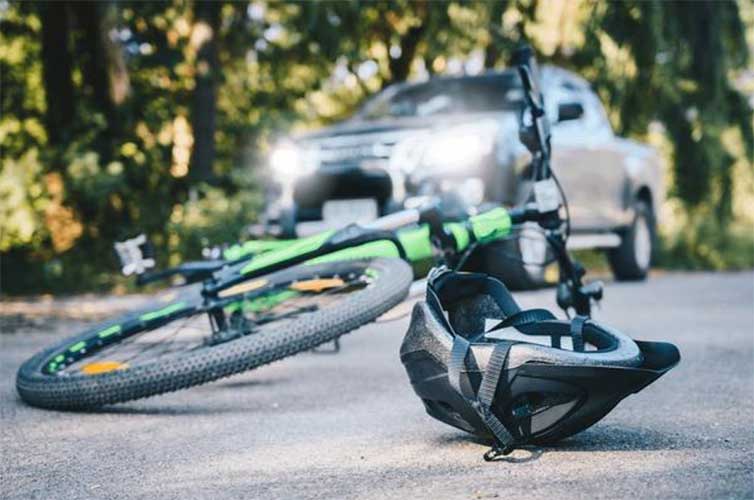
Helmet damage becomes key evidence in bicycle accident cases because it shows where the rider’s head struck, how hard the impact was, and that a head injury claim is genuine. Cracks, dents, and crushed foam turn a piece of safety gear into physical proof that supports or challenges everyone’s version of the crash.
Austin is the capital of Texas and one of the most bike-friendly cities in the country. Cyclists there share busy streets with cars while commuting, training, and riding its many trails. That daily mix of bikes and vehicles makes crash evidence a constant courtroom topic.
When a collision happens, the helmet often becomes the first item an Austin bicycle accident lawyer asks to see. What that helmet reveals can shape the entire case. Here is how that evidence works.
What a Damaged Helmet Tells Investigators
A helmet records the crash the way a black box records a flight. Trained experts read its damage to reconstruct what happened.
The location of cracks shows where the head hit the ground or vehicle. The depth of crushed foam indicates impact force, and scrape patterns can reveal the direction the rider was thrown. Together, these details help confirm or contradict the driver’s account of the collision.
Proving a Head Injury Is Real
Traumatic brain injuries do not always appear on early scans. Head injury symptoms can also surface days later, after the insurance adjuster has formed an opinion. Insurers use clean imaging to argue the rider is exaggerating.
A cracked or crushed helmet answers that argument with physical proof of head impact. Biomechanical experts can estimate the forces involved and connect them to concussion or brain injury symptoms. This link between object and injury is often what pushes a disputed claim toward settlement.
Defeating the Comparative Fault Defense
Drivers and insurers frequently claim the cyclist caused or worsened the harm. A damaged helmet on the rider’s head undercuts that strategy.
It proves the cyclist wore protection, which defeats arguments that injuries came from riding bareheaded. It can also show the impact came from behind or the side, supporting the rider’s account of how the driver struck them.
Why Serious Damage Can Be Invisible
Bicycle helmets sold in the United States must meet the federal safety standard in 16 CFR Part 1203, enforced by the Consumer Product Safety Commission. They are built to absorb one major impact by crushing their foam liner.
That crushing often happens inside the shell, where nobody can see it. A helmet that looks fine may hide compressed foam that experts can measure and document. This is one reason no crash helmet should ever be dismissed as undamaged without inspection.
How to Preserve the Helmet After a Crash
Helmet evidence only helps if it survives intact. Follow these simple rules from the very moment of the crash.
- Keep the helmet exactly as it is, with all straps and pads attached.
- Photograph it from every angle, including the inside liner.
- Never clean, repair, or continue wearing it.
- Store it in a bag or box away from heat and moisture.
- Give it only to your lawyer or a retained expert.
Throwing the helmet away can trigger spoliation problems, where courts penalize a party for destroying evidence.
When the Helmet Itself Is Part of the Case
Sometimes the damage pattern points to a defect. A shell that shattered on modest impact or a strap that tore loose may support a product liability claim against the manufacturer.
Design flaws, manufacturing defects, and missing warnings can each support this type of claim. These claims run alongside the case against the driver. The same preserved helmet becomes the central exhibit in both, which makes early preservation even more valuable.
Key Takeaways
- Helmet cracks and crushed foam show impact location, force, and direction.
- Helmet damage proves head impact even when early brain scans look clean.
- A worn, damaged helmet defeats claims that the cyclist rode unprotected.
- Helmets meet the 16 CFR Part 1203 standard by crushing internally, so damage may be hidden.
- Never clean, repair, or discard a helmet after a crash.
- Discarding the helmet can lead to spoliation penalties in court.
- Unusual damage patterns may reveal a defective helmet and a second claim.