
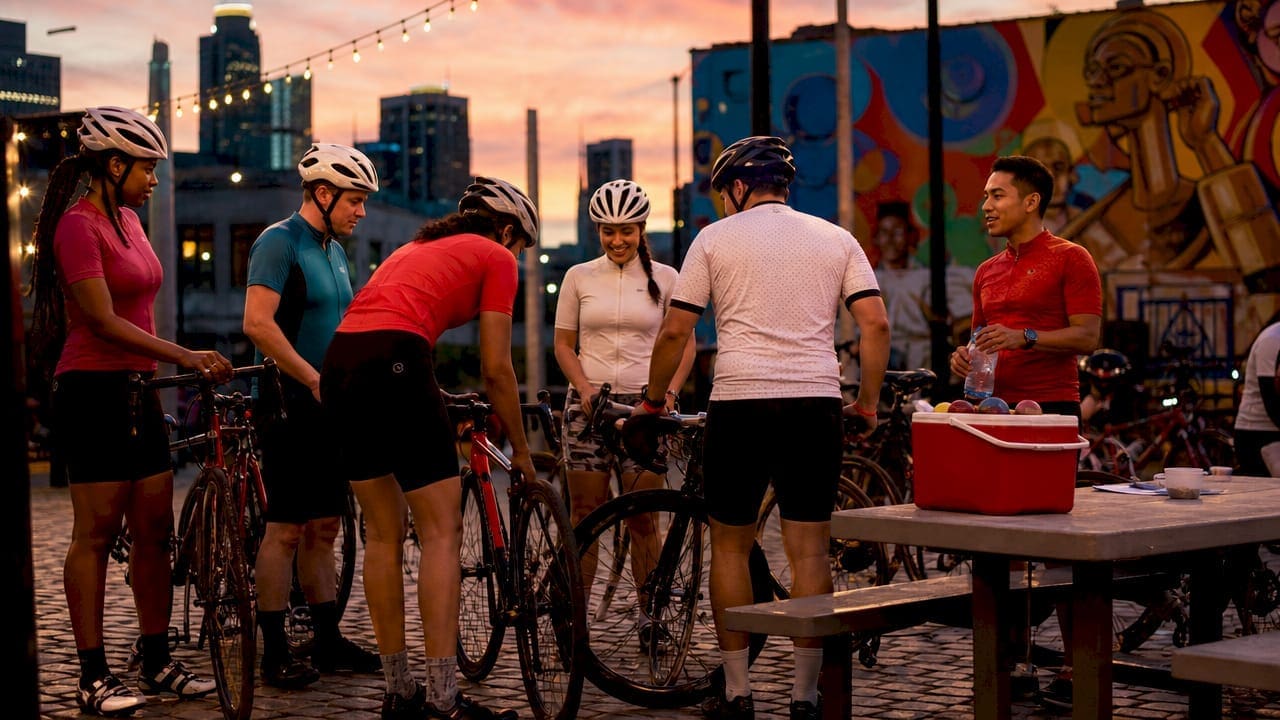
Local cycling groups, formally called club rides or organized group rides, are the fastest way to improve your fitness, learn safe road habits, and build lasting connections with fellow cyclists. Whether you’re a road rider in Los Angeles, a mountain biker in Tucson, or a gravel enthusiast in the Pacific Northwest, the tools to find cycling group near me options have never been more precise or accessible. This guide covers interactive association maps, ride-search platforms, Strava clubs, and social meetup pages, giving you a clear path from solo rider to active community member.
What tools and platforms help you find cycling groups near you?
The most reliable starting point for finding local cycling meetups is your regional cycling association’s website. These organizations maintain updated directories of affiliated clubs and often include interactive maps that show exactly where teams operate. The Arizona Cycling Association uses an interactive team map where riders can message local team directors directly and even learn how to start their own team if none exists nearby. That direct-contact feature cuts through the noise and gets you talking to the right person within minutes.
Club ride search pages take discovery one step further by letting you filter by location, ride type, distance, and elevation. Cascade Bicycle Club offers a Ride and Event Search with location-based filtering that surfaces free group rides across multiple areas, complete with route details. Filtering by location and ride type consistently yields better matches than searching by club name alone, because the event calendar holds the most current information.
Strava clubs are another high-value resource that many riders overlook. Strava clubs publish structured meeting times, subgroup details, and ride descriptions alongside notes on whether rides are no-drop or include regroups. Groups like Reno’s MWF Ride Group and Chula Vista’s BREWCREW list specific meeting locations and times, making it easy to show up prepared. Treat Strava and club calendars as authoritative sources on meetup times to avoid confusion or missed rides.
Here is a quick comparison of the main platforms:
| Platform | Best for | Key feature | Cost |
|---|---|---|---|
| Association maps (e.g., Arizona Cycling Association) | Finding affiliated clubs | Direct director contact | Free |
| Club ride search (e.g., Cascade Bicycle Club) | Filtering by location and type | Route and elevation details | Free |
| Strava clubs | Social and training rides | Subgroup and regroup info | Free/Premium |
| Meetup groups | Casual community rides | Event RSVPs and chat | Free |
| Local cycling calendars | Events in your area | Date and venue listings | Free |
Meetup.com hosts dozens of cycling-specific groups in most metro areas, organized around pace, terrain, and social vibe. These groups tend to attract newer riders and are excellent for finding bike buddies without the pressure of a structured club environment.
How to identify the right cycling group for your skill level
Matching yourself to the right group matters more than most new riders realize. Joining a ride that is too fast leads to getting dropped and a discouraging experience. Joining one that is too slow leaves you undertrained and bored. The key variables to evaluate are average pace, total distance, elevation gain, and the group’s stated drop policy.
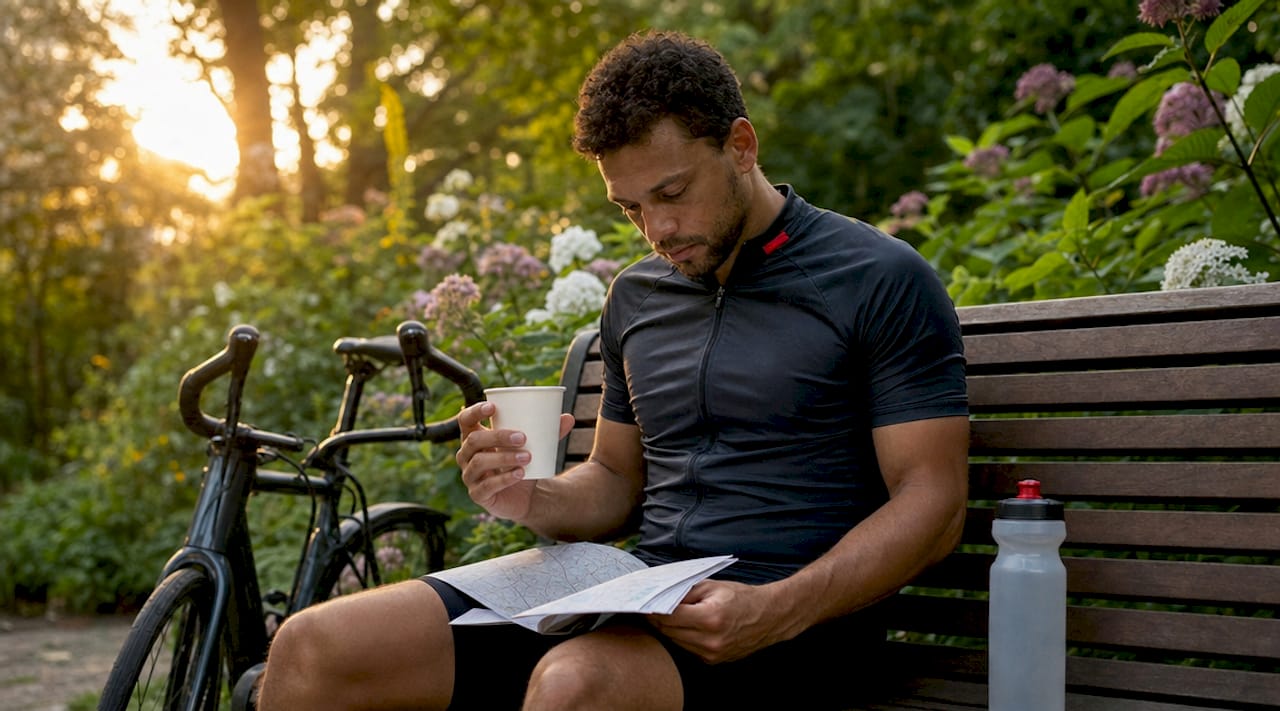
Beginner rides typically run at 10 to 14 mph on flat terrain. The Major Taylor Cycling Club Chicago runs its beginner-to-intermediate ride at 10 to 12 mph, requires helmets and specific gear, and commits to staying with the slowest riders. That commitment to the slowest rider is the defining feature of a genuinely inclusive group, not just a marketing claim.
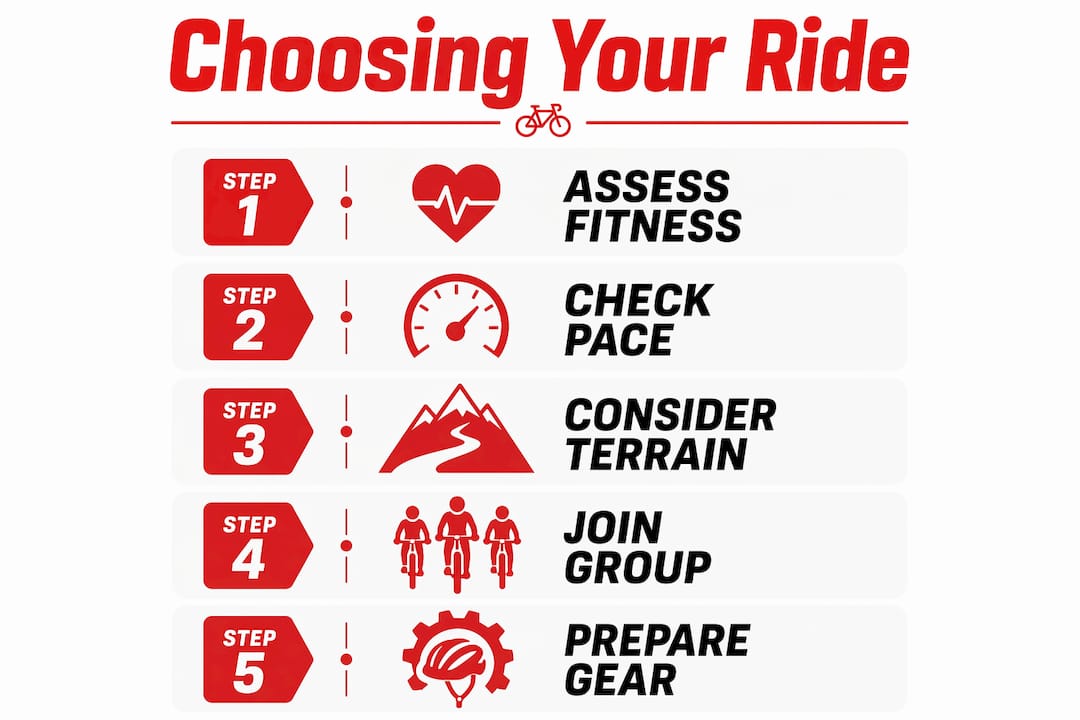
Pro Tip: Average speed alone does not capture the full ride experience. Pace group average speeds don’t reflect regrouping behavior or communication style, both of which significantly affect how hard a ride actually feels. Always read the full ride description, not just the mph number.
Here is a breakdown of common ride formats and what to expect:
| Ride type | Typical pace | Drop policy | Best for |
|---|---|---|---|
| Beginner social ride | 10–14 mph | No-drop | New riders, returnees |
| Intermediate training ride | 15–18 mph | Regroup at intervals | Riders building fitness |
| Advanced/race-pace ride | 19+ mph | Drop ride | Competitive cyclists |
| No-drop social ride | Varies | No-drop | All levels, fun focus |
| Mountain bike social ride | Trail-dependent | Flexible | MTB enthusiasts |
Social rides like Downtown Durham’s First Tuesday Social Ride take a no-drop, social-paced approach that welcomes all levels, with helmets and lights encouraged and planned rest stops built into the route. This format is ideal if you want community connection without competitive pressure. Mountain bike group rides, such as those organized by the Appalachian Mountain Bike Club, add another layer of complexity because trail conditions and access requirements shift based on weather and land management rules.
How to join a local cycling group and prepare for your first ride
Once you identify a group that fits your pace and interests, the joining process is straightforward if you follow a clear sequence. Many first-time riders fail to comply with essential requirements like waivers and helmets before showing up, which creates friction on ride day. Reviewing every listed requirement before you arrive eliminates that problem entirely.
Follow these steps to connect and prepare:
- Locate the group using an association map, club ride search, or Strava club page.
- Contact the ride leader or team director directly through the platform’s messaging tool or listed email.
- Confirm logistics: date, time, start location, and the group’s weather cancellation policy.
- Complete any required paperwork: some groups, especially mountain bike clubs, require signed waivers and parking passes before you ride.
- Prepare your gear: helmet (mandatory for virtually every organized ride), front and rear lights, water bottles, a spare tube, tire levers, and a mini pump.
- Arrive 10 to 15 minutes early to introduce yourself to the ride leader and get a feel for the group.
- Follow ride etiquette: hold your line, call out hazards, signal turns, and avoid overlapping wheels with the rider ahead.
Pro Tip: Always check the group’s latest social media posts or Strava club page the morning of the ride. Weather pivots, route changes, and last-minute cancellations are communicated there first, not by email.
Your gear checklist for a first group ride should include:
- Properly fitted helmet (non-negotiable)
- Front white light and rear red light (required after dusk, recommended always)
- At least two water bottles or a hydration pack
- Spare inner tube, tire levers, and a CO2 inflator or mini pump
- Cycling gloves and padded shorts for comfort on longer rides
- A charged phone with the route downloaded offline
Troubleshooting common challenges when finding and joining cycling groups
Not every rider lives near an established club, and not every first ride goes smoothly. These are the most common barriers and how to work through them.
No group exists nearby. This is more common in rural areas than most people expect. The Arizona Cycling Association advises contacting the Programs Director to start a new team if none exists close by, providing a clear pathway for riders in remote areas. Starting a group on Meetup or Strava requires minimal effort and can attract other isolated riders in your region within weeks.
The ride pace doesn’t match your fitness. Many cycling groups have multiple pace sub-groups and emphasize regrouping behavior, which means average speed alone doesn’t show ride difficulty fully. If you get dropped, stay on the planned route and meet the group at the next regroup point. Most organized rides plan for this.
Weather cancellations and last-minute changes. Mountain bike rides in particular depend on trail conditions and access costs, with ride plans frequently updated via social media depending on weather. Follow the group’s Facebook page or Instagram account in addition to their website calendar to catch real-time updates.
“The best cycling communities are the ones that communicate clearly and consistently. If a group goes quiet when conditions change, that tells you something important about how they operate on the road.”
Feeling like an outsider in an established group. Every rider in that group was new once. Introduce yourself before the ride starts, ask one question about the route or the group’s history, and let the conversation develop naturally. Most cycling communities actively want new members because larger groups create safer, more social rides for everyone.
Cost and equipment barriers. Many local groups keep memberships minimal or donation-based, welcoming riders with various bike types and experience levels. You do not need a carbon road bike or premium kit to join most community rides. Show up with a safe, mechanically sound bicycle and the required safety gear, and you will be welcomed.
Key takeaways
Finding and joining a local cycling group requires the right tools, honest self-assessment of your fitness level, and preparation before your first ride.
| Point | Details |
|---|---|
| Use association maps first | Interactive maps like Arizona Cycling Association’s let you contact team directors directly and fast. |
| Filter by ride type, not club name | Cascade Bicycle Club’s ride search by location surfaces better matches than browsing club directories. |
| Read the full ride description | Pace averages miss regrouping behavior and communication style, which define the actual ride experience. |
| Prepare before you arrive | Complete waivers, confirm logistics, and check social media the morning of the ride for last-minute changes. |
| Start your own group if needed | Arizona Cycling Association and Strava both provide pathways to launch a new local group from scratch. |
Our take on building your cycling community
We have covered hundreds of group rides across Southern California and beyond, and the pattern is consistent: the riders who get the most out of community cycling are the ones who show up consistently, not the ones who show up fastest. Speed matters on race day. On a Tuesday morning social ride, what matters is reliability, communication, and the willingness to learn from the riders around you.
One thing we see new riders get wrong repeatedly is treating the first group ride as a test of fitness. It is not. It is a test of compatibility. You are evaluating the group as much as they are evaluating you. Does the ride leader communicate clearly? Does the group regroup or leave riders behind? Is the pace honest in the listing? These details tell you whether this is a community worth investing your time in.
We also believe strongly in trying multiple ride formats before settling on one group. A rider who only does road club rides might discover that a casual gravel meetup or a no-drop social ride fits their schedule and personality far better. The cycling network near you is almost certainly more diverse than a single search result suggests. Explore it deliberately.
The social dimension of group riding is genuinely underrated as a training tool. Riders who join regular community cycling events tend to ride more frequently and push harder than solo riders, simply because accountability and enjoyment compound over time. Find the group that makes you want to show up on a cold morning, and your fitness will follow.
Explore local cycling events with SoCalCycling.com

SoCalCycling.com is one of the most thorough independent resources for cyclists looking to connect with local rides, races, and community events across California and beyond. The site covers road racing, mountain biking, gravel, cyclocross, gran fondos, and fun rides, with an event calendar that tracks both competitive races and casual community cycling events throughout the year. Whether you are searching for cycling clubs nearby or want to stay current on the latest group ride announcements, SoCalCycling.com delivers the coverage and listings that keep you connected. Browse local cycling events to find your next ride, discover new groups, and stay plugged into the Southern California cycling community.
FAQ
How do I find a cycling group near me?
Use your regional cycling association’s interactive map, a club ride search tool like Cascade Bicycle Club’s event search, or Strava clubs filtered by location to find organized rides in your area. Contacting the local team director directly is the fastest way to get connected and receive insider guidance.
What is a no-drop ride?
A no-drop ride is a group ride format where no rider is left behind regardless of pace, making it ideal for beginners and riders returning after a break. Groups like Downtown Durham’s First Tuesday Social Ride use this format to create an inclusive, low-pressure environment for all fitness levels.
What gear do I need for my first group ride?
A properly fitted helmet is mandatory for virtually every organized group ride, along with front and rear lights, at least one water bottle, a spare inner tube, and tire levers. Many clubs also require signed waivers, so review the ride listing carefully before you arrive.
What should I do if no cycling group exists near me?
Contact your regional cycling association’s programs director, as organizations like the Arizona Cycling Association provide direct support for starting new teams in underserved areas. You can also create a Strava club or Meetup group to attract other local riders and build a community from the ground up.
How do I know if a cycling group matches my fitness level?
Read the full ride description, not just the average speed listed. Pace group averages don’t capture regrouping behavior or communication style, both of which significantly affect how demanding a ride actually feels. Look for explicit pace ranges, drop policies, and distance totals to make an accurate assessment.
Recommended
Article generated by BabyLoveGrowth