

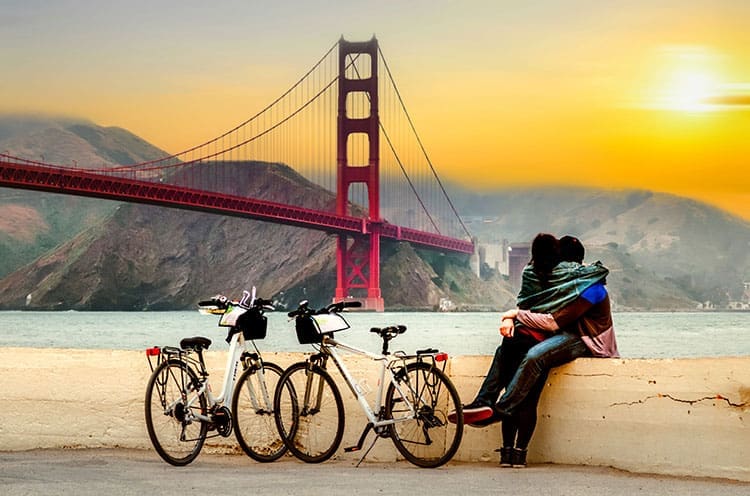
Busy bridge crossings make even experienced riders tense. If you’ve ever white-knuckled your way across a span with trucks blasting past at highway speed, you already know the feeling. A May 2026 survey of 3,057 U.S. cyclists found that bridge stress is widespread, with the Golden Gate Bridge topping the list as the most intimidating span in the country. Bridges compress traffic, strip away escape routes, and add wind exposure right when you need a steady line the most.
Nearly 42% of cyclists report having a near-miss with a vehicle on or near a bridge, which tells you everything about the real hazards at these choke points. The biggest concerns are concrete dangers: 16% of riders point to vehicles passing too closely, and another 16% cite drivers crowding into the bike lane. Sound familiar? If you commute by bike, you can make these crossings far more manageable with a step-by-step approach to lane positioning and defensive riding.
Why Bridges Feel More Dangerous Than Regular Road Sections
The Margin for Error Shrinks Fast
Bridges cut into your available road width in a hurry, replacing grassy shoulders or turn lanes with rigid concrete barriers and steel guardrails. Around 32% of cyclists believe all road users share equal responsibility for preventing accidents in these tight spaces, but drivers often feel just as boxed in by the barriers. That mutual spatial pressure keeps vehicle speeds high while your usable riding width shrinks dramatically.
Without a reliable escape route, any slight drift from a passing vehicle feels significantly more threatening than it would on an open road. Think of it like riding through a construction zone, except the walls never end until you reach the other side.
Wind, Noise, and Exposure Wreck Your Handling
Open water and high elevations strip away natural windbreaks, subjecting you to sudden, forceful crosswinds you’d never encounter on a normal stretch of road. The Rickenbacker Causeway in Florida, ranked 5th on a recent list of feared American bridges for cyclists, is a perfect example of how long, exposed stretches over water ramp up vulnerability. On top of the wind, the auditory assault of commercial trucks bouncing over metal deck joints can startle even experienced riders, and that flinch reaction at the wrong moment is exactly what you’re trying to avoid.
Recent Incidents Show How Quickly Conditions Shift
Even bridges with dedicated cycling infrastructure can pose unexpected hazards that demand rapid tactical adjustments. A recent fatal crash on the Queensboro Bridge between a bicycle and a motorized scooter showed that reconfigured, separated lanes can still become dangerously congested. And on the George Washington Bridge, unexpected falling debris forced lane closures with almost no warning.
The takeaway isn’t to avoid bridges altogether. It’s that bridge environments shift constantly, and they demand a level of situational awareness that regular road riding simply doesn’t.
Set Up Before You Reach the Bridge
Assess the Crossing Before You Commit
Before you pedal onto an exposed span, take thirty seconds to evaluate the immediate weather conditions and check for any active traffic alerts. Infrastructure damage can reroute you without warning; heavy rainfall once caused a slip that closed the Wairoa Bridge cycleway indefinitely. Check wind direction flags or water ripples below, note the time of day relative to peak commuter flow, and assess whether the dedicated bike lane is clear of debris. If you’ve got a cycling app like Strava or RideWithGPS open, it’s also worth scanning for recent rider comments about conditions on that specific bridge.
Build a Clean Approach
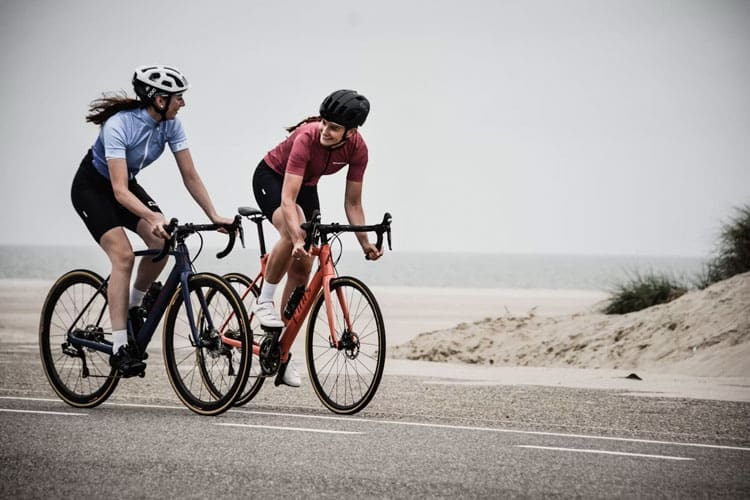
Preparation starts 50 to 100 yards before the bridge incline begins, giving you time to establish a secure rhythm. Shift into an appropriate climbing gear early so you don’t drop a chain under heavy load while traffic surrounds you. That’s the kind of mechanical hiccup that feels minor on a quiet road but becomes genuinely dangerous in a narrow bridge lane with cars stacked behind you.
14% of surveyed riders identified distracted driving as a primary bridge hazard, making it absolutely non-negotiable to activate your front and rear daytime running lights before the approach. If your lights aren’t charged, consider that your cue to find an alternate route.
Choose Your Riding Position
Selecting the correct lateral placement before the physical pinch point arrives is your single most effective defensive tool. According to recent cyclist surveys, 16% of bridge safety fears stem directly from vehicles driving too close to the shoulder. Where you position yourself controls how motorists interact with you, so it’s worth thinking through the options before you’re in the moment. Here’s a quick reference:
|
Bridge Condition |
Best Riding Position |
Why It Works |
Main Risk to Watch |
|
Wide bike lane with buffer |
Center of bike lane |
Maximizes clearance from edge debris and drain grates |
Fast overtakes at lane edge |
|
Narrow bike lane beside traffic |
Slightly left of center in bike lane |
Discourages squeeze passes |
Close passes from the traffic side |
|
Shoulder disappears or becomes unsafe |
Take the lane early |
Prevents dangerous last-second merges |
Driver impatience behind you |
|
Shared path with pedestrians |
Controlled, reduced speed |
Buys reaction time and reduces conflict |
Unpredictable path users |
|
Strong crosswind on open span |
Stable line with extra room from edge |
Gives space for gust drift |
Sudden lateral movement |
How to Ride the Bridge Safely, Step by Step
The 6-Step Bridge Crossing Routine
Consistent, repeatable habits are what keep panic at bay when you’re navigating tight infrastructure. Survey data indicate that 11% of riders specifically worry about drivers not giving them enough time to clear a bridge. Follow this routine to maintain control and command your space safely:
-
Scan early and signal clearly. Check behind you before the bridge narrows, not after you’re already squeezed in.
-
Claim your position before the pinch point. Move into the correct lane position while you still have room to do it smoothly.
-
Hold a straight, predictable line. Don’t weave between the shoulder and the lane edge. Predictability is your best friend here.
-
Ride at a steady, sustainable pace. Avoid sudden speed changes that invite risky passes from impatient drivers.
-
Look ahead, not down. Focus on where you want the bike to go, especially in the wind. Your bike follows your eyes.
-
Exit decisively. Keep your line until the bridge fully opens up, then move right only when it’s safe to do so.
When to Take the Lane
Claiming the full lane is a legal safety maneuver when the shoulder is blocked by debris or is missing entirely. Ask any experienced bike commuter, and they’ll tell you the same thing: moving to the center of the lane early is far safer than trying to merge laterally just as the guardrail closes in on you. Given that 11% of cyclists report drivers failing to yield during merges, establishing your position assertively helps prevent motorists from attempting dangerous overtakes in tight quarters.
Dealing With Close Passes and Aggressive Drivers
When a motorist applies pressure from behind, maintaining emotional control and physical predictability is everything. Survey data shows 15% of cyclists fear speeding motorists, while another 12% specifically cite honking and aggression on bridges. You’ve probably experienced both if you’ve ridden any major urban bridge during rush hour.
Never react by diving toward the gutter. Hugging the white edge line leaves you zero recovery room if anything goes sideways. Maintain your steady pace and let aggressive drivers pass only when the road widens and safe clearance reappears. It’s frustrating, but it’s the move that gets you home.
Crosswind Technique That Actually Works
Riding across high, open water exposes your bike to lateral gusts that are often worsened near suspension towers and passing trucks. A standard bicycle-and-rider combination presents a significant side profile, making crosswinds above 15 mph a serious handling hazard. So what do you actually do about it?
Relax your upper body, bend your elbows slightly, and lower your torso to drop your center of gravity. Lean the bicycle subtly into the prevailing wind while keeping light, firm pressure on the handlebars. Avoid a rigid, locked-out grip; that just transmits every twitch straight to the front wheel and makes the problem worse.
Surfaces, Grates, and Expansion Joints
Bridge surfaces regularly feature slick metal grating, heavily painted transition lines, and wide expansion joints that compromise tire traction. Metal grid decks offer substantially less grip than standard asphalt, especially in damp conditions (and yes, morning dew counts). Cross these hazardous gaps while maintaining an upright body position, and avoid aggressive braking or sharp steering inputs while your tires are in contact with the metal.
Keep your eyes focused down the road and unweight the saddle slightly; this lets the bike roll smoothly over rough mechanical joints without deflection. Think of it like the difference between a stiff board and a flexible one rolling over bumps. You want your body to absorb the impact, not fight it.
What to Do If the Bridge Feels Wrong Mid-Crossing
Signs You Should Back Off Your Pace
Recognizing when conditions exceed your equipment or handling ability is a crucial survival skill, and it’s not a sign of weakness. Repeated heavy gusts physically pushing your front wheel sideways are telling you that holding a safe line may be impossible. National weather advisories routinely warn high-profile vehicles and cyclists when bridge crosswinds exceed 30 mph. Extreme speed differentials from passing traffic or heavy debris blocking the shoulder are equally clear signals to reduce your speed immediately.
Safe Bailout Options
If a bridge environment deteriorates rapidly, you need a safe exit strategy that doesn’t cause a collision behind you. 44% of cyclists have changed their route or turned around because a bridge felt too dangerous to cross, so you’re in good company if you’ve done it. Smoothly reduce your speed, and if a protected pedestrian walkway or maintenance pullout is available, use it to get out of the flow of live traffic.
In extreme scenarios, where rules and space permit, dismounting and walking the bike is a perfectly valid decision. Nobody’s handing out awards for gutting it out in unsafe conditions.
Confidence Strategies for Repeat Crossings
Building tolerance for exposed infrastructure takes deliberate practice in lower-stress environments. Plan your first crossing of a notoriously stressful bridge during early morning hours on a weekend to dodge rush-hour intensity. Since 53% of riders admit an unsafe-feeling bridge stops them from reaching certain destinations, that’s a lot of route options being left on the table. Practicing with an experienced riding partner can systematically chip away at that anxiety and open up parts of your city you’ve been avoiding.
Bridge Safety Mistakes That Increase Your Risk
Riding Too Close to the Edge
Hugging the far right edge of the concrete or scraping the guardrail feels instinctively safer, but it’s actually one of the most dangerous positions you can take. This placement invites motorists to execute unsafe squeeze passes within their lane. It also puts your tires directly in the path of broken glass, shredded truck tires, and sharp metal debris that collects on bridge aprons like nowhere else.
Merging Too Late
Waiting until the white line completely vanishes before entering the primary traffic lane creates panic for both you and the driver behind you. Late merges force sudden braking from approaching vehicles, dramatically increasing the likelihood of a rear-end collision. Scanning and moving left well before the roadway narrows guarantees a smoother, far less stressful entry into the traffic flow.
Over-Braking or Staring at Hazards
Fixating on a pothole, a metal grate, or the steep drop-off over the railing makes your front wheel more likely to track toward it. This phenomenon, known as target fixation, results in unstable bike handling and erratic lines. Grabbing too much brake out of fear while traversing painted lines or metal surfaces can quickly lock up your tires and cause a crash. Keep your gaze forward, not down at the thing scaring you.
Treating Every Bridge the Same Way
A wide, multi-use path span requires entirely different tactics than a narrow, highway-adjacent causeway. You should research bridge profiles before a long ride, especially if you’re venturing into unfamiliar territory. High-speed commuters demand assertive lane positioning, while shared pedestrian bridges require continuous bell operation and strict speed management. Not where you expected this guide to go, right? But the difference between these two bridge types is like the difference between riding a bike lane on a boulevard and navigating a crowded boardwalk.
A Smarter Way to Plan Stress-Free Bridge Commutes
Time, Weather, and Route Matter More Than Bravery
Pre-ride planning eliminates many hazardous encounters on major infrastructure. Review local transportation agency alerts for planned maintenance, like the lane closures on the Wrightsville Beach bridge that were recently implemented on Causeway Drive. Using a basic weather app to verify crosswind speeds and gust forecasts helps make sure you’re not caught off guard by a severe coastal front halfway across a two-mile span.
So far in this guide, you’ve covered positioning, technique, hazard avoidance, and bailout plans. This last piece, the pre-ride homework, is what ties it all together and turns reactive riding into proactive riding.
The Goal Is Safe Consistency
There’s no prestige in forcing a dangerous crossing when a viable alternative exists. Opting for a multimodal commute (loading your bike onto a transit bus for the bridge segment, for instance) is a smart adaptation to bad conditions, not a concession. Prioritizing long-term safety over ego helps make sure you get home safely and ride another day, which is really the only metric that matters.
Confidence Comes From Good Technique
High-traffic bridges demand significantly more attention and tactical awareness than a normal stretch of road. But these imposing structures also reward proactive habits, proper lane positioning, and defensive riding. By setting up early, holding a predictable line, and maintaining an assertive presence, you can cut your exposure to risk in a meaningful way.
The point isn’t to white-knuckle your way through every crossing. It’s to make each commute feel controlled, calculated, and, eventually, routine. Build the habits, practice the technique, and those bridges that used to stress you out will start feeling like just another part of the ride.
Top photo courtesy of Quintin Gellar on Pexels