

Bike shop community events are organized activities that engage local cyclists, educate riders, and build a supportive cycling culture around a shop. The best examples go far beyond a simple sale or demo day. They create rituals, attract new riders, and turn one-time customers into loyal regulars. Shops that treat community as culture rather than a marketing tactic see the strongest long-term results. This guide covers 10 proven event formats, from beginner workshops to hybrid pop-ups, that community organizers and cycling enthusiasts can put into practice right now.
1. What are effective beginner-friendly bike maintenance workshops?
Maintenance workshops rank in the top three methods for building customer engagement and repeat visits. That ranking reflects a simple truth: when a shop teaches someone to fix a flat, that person trusts the shop with every future repair.
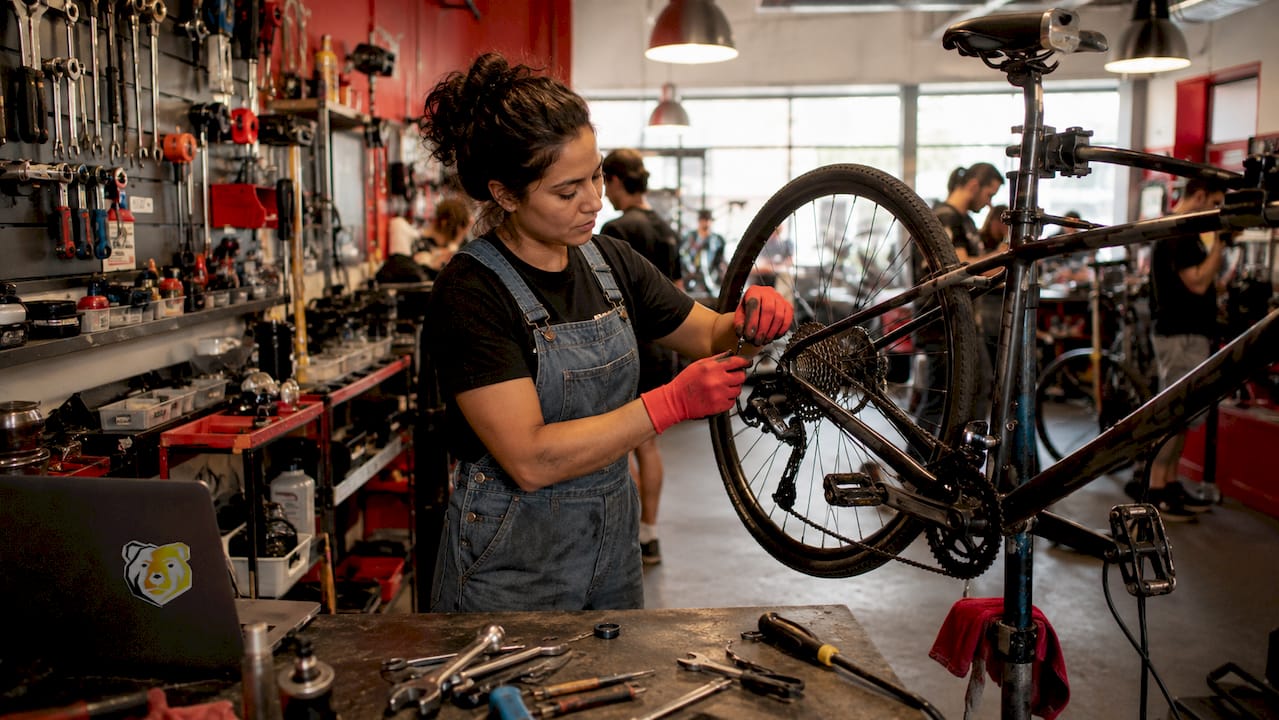
“Flat Repair 101” is the most accessible entry point. The format works because it solves a real fear for new riders. A 60-minute session with a mechanic, a floor pump, and a handful of tire levers costs almost nothing to run. Participants leave with a skill, and the shop leaves with a warm lead.
Effective workshop formats include:
- Flat Repair 101: Hands-on tire removal, tube replacement, and inflation practice
- Basic Drivetrain Care: Chain cleaning, derailleur adjustment, and cable tension checks
- Pre-Ride Safety Checks: Brake pad inspection, quick-release checks, and saddle height basics
- Seasonal Tune-Up Clinics: Wet-weather prep in fall, bearing checks in spring
Pair each workshop with a 10% discount on parts used during the session. That single incentive converts attendees into buyers on the same day. Keep group sizes at 8–12 riders so every participant gets hands-on time with a mechanic.
Pro Tip: Record a short recap video after each workshop and post it within 24 hours. It extends reach to riders who could not attend and builds your shop’s reputation as the go-to local resource.
2. How can bike shops use group rides to build community?
Recurring group rides are the most powerful local bike shop activity a shop can offer. They cost nothing to run beyond staff time, and they create a weekly ritual that riders plan their schedules around.
The biggest failure in group rides is pace mismatch. A beginner who gets dropped on the first climb never comes back. No-drop rules and regroup points solve this directly. Label every ride clearly: “12 mph social pace” or “18 mph hammerfest” sets accurate expectations before anyone clips in.
“Providing clear, calm briefings on passing, hazards, and regrouping is the single most effective way to make a community ride feel welcoming. Riders who feel safe come back every week.”
Structure your group ride program with these four steps:
- Publish standardized route descriptions with elevation, distance, and pace before each ride
- Run a pre-ride briefing covering hand signals, regroup points, and road hazard protocols
- Assign a sweep rider who stays with the last rider and keeps the group intact
- Send a post-ride survey under two minutes long to collect feedback on pace, route, and safety
Rider feedback programs give organizers real data to improve each ride. Shops that act on that feedback visibly, by adjusting pace groups or adding a new route, build trust faster than any promotion.
3. Examples of pop-up events and partnerships for wider reach
Pop-up events are one of the most effective bike shop outreach programs for reaching riders who have never walked through your door. Pairing pop-up events with local vendors can increase foot traffic by 160% and produce a 12% conversion rate on follow-up offers. That is a meaningful return on a single afternoon of planning.
The model works best when the shop brings a service component to a high-traffic location. A parking lot tune-up station outside a farmers market, a bike fit demo at a yoga studio, or a quick-check booth at a trail head all put the shop in front of riders who are already active but not yet customers.
| Partner Type | Event Format | Primary Benefit |
|---|---|---|
| Local café | Coffee ride finish line with free espresso | Repeat attendance, social media content |
| Yoga or fitness studio | Bike-and-stretch morning event | Cross-audience reach, wellness positioning |
| Food truck or vendor market | Tune-up station with on-site repairs | Direct service revenue, new customer data |
| Trail or park organization | Group ride from trailhead with shop support | Outdoor community alignment, brand visibility |
Hybrid formats extend the reach further. Publish a 10-second video clip of the event within 24 hours and pair it with a pre-registration reminder for the next pop-up. That social media follow-up keeps the event alive online long after the tent comes down.
Pro Tip: At every pop-up, collect email addresses through a simple sign-up sheet or QR code. That list becomes the foundation of your ongoing community engagement program.
4. What themed social gatherings and family festivals work best?
Themed events attract riders who would never show up for a standard group ride. Classic bike showcases paired with listening parties and kids’ obstacle courses draw a genuinely diverse crowd. That diversity is the point. A shop that only serves serious racers misses the majority of the local cycling population.
Retro-themed evenings work particularly well. Ask riders to bring vintage bikes, play era-appropriate music, and set up a photo station. The social media content practically creates itself. Participants share photos, tag the shop, and bring friends the next time.
Family-friendly festivals require a separate track of activities:
- Kids’ obstacle courses using cones, balance beams, and slow-speed challenges
- Helmet fitting stations staffed by a mechanic, doubling as a safety education touchpoint
- Bike decoration contests with prizes for the most creative setup
- Learn-to-ride zones with loaner bikes and patient instructors for young beginners
Cross-promotion with local schools, parent groups, and neighborhood organizations multiplies attendance without multiplying your budget. A single email to a local elementary school PTA can fill a Saturday morning event. These family-friendly cycling activities build the next generation of loyal customers.
5. How to implement micro-events and sustain digital engagement
Micro-events are short, focused gatherings that require minimal staff time and deliver consistent community touchpoints. 30-minute technical clinics and night rides with pre-registration capture email data and improve attendance tracking. That data is as valuable as the event itself.
The key advantage of the micro-event format is repeatability. A 45-minute night ride every other Thursday is easier to sustain than a quarterly festival. Riders build it into their routine, and the shop builds a predictable attendance base.
Effective micro-event and digital engagement practices include:
- Pre-registration forms that collect name, email, and experience level before every event
- Email photo albums sent within 48 hours of each event to maintain participant interest
- Moderated online groups organized by topic: routes, maintenance tips, upcoming events, and member deals
- Reward models using service discounts and early event access to increase participation and retention
- Automated reminders sent 72 hours and 24 hours before each event to reduce no-shows
Automating recurring micro-events and applying clear moderation rules prevent staff burnout and keep the community professional. Digital communities that tag posts by category, such as routes, deals, and maintenance, build trust and repeat visits faster than unstructured groups.
Key Takeaways
The most effective bike shop community events are repeatable, low-barrier, and paired with digital follow-up to sustain engagement between gatherings.
| Point | Details |
|---|---|
| Maintenance workshops build trust | Beginner clinics rank in the top three methods for repeat visits and immediate service revenue. |
| No-drop rides retain new riders | Clear pace labels, regroup points, and post-ride surveys reduce dropout and improve safety. |
| Pop-up partnerships multiply reach | Vendor collaborations can increase foot traffic by 160% with a 12% follow-up conversion rate. |
| Micro-events sustain momentum | Short, recurring formats with pre-registration and email follow-up keep engagement consistent. |
| Digital follow-up extends every event | Posting recap content within 24–48 hours keeps participants engaged and attracts new attendees. |
What we have learned from covering cycling communities across Southern California
The shops that build the strongest communities are not the ones running the biggest events. They are the ones running the same small events, every week, without fail.
We have seen shops burn out their staff trying to produce quarterly festivals with live music, food trucks, and sponsor booths. Those events look impressive on Instagram for a day. Then nothing happens for three months, and the community loses momentum. The shops that prioritize manageable, repeatable events build something that actually lasts.
The culture shift from transactional to ritual-based relationships is real, and it takes time. A Tuesday night ride that runs every week for a year becomes part of riders’ identities. They defend it, recruit for it, and show up even when the weather is marginal. No one-off event produces that kind of loyalty.
Inclusivity is not optional. A shop that runs fast group rides with no beginner option is telling 80% of the local cycling population that they are not welcome. Clear pace labels, family events, and beginner workshops signal that the shop belongs to the whole community, not just the fast riders.
The shops we respect most treat local cycling clubs as partners, not competitors. When a shop and a local club co-host a ride, both audiences grow. That collaboration mindset is what separates shops that thrive from shops that stagnate.
— SoCalCycling.com
SoCalCycling.com: your resource for cycling events and community ideas
SoCalCycling.com covers the full spectrum of cycling culture across Southern California and beyond, from grassroots shop rides to elite race coverage.
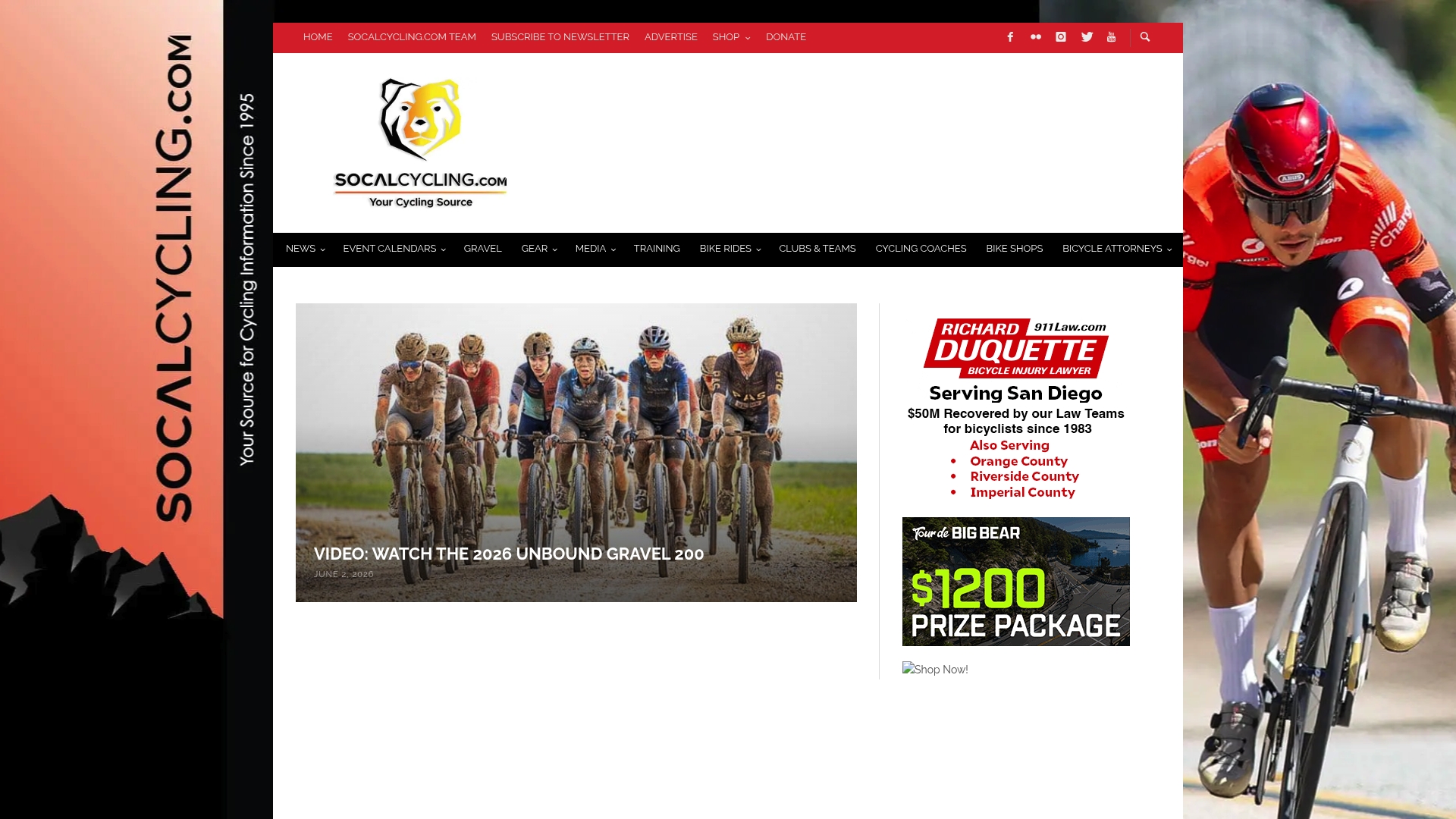
Whether you are planning your first community ride or looking to expand an existing event calendar, Socalcycling provides the event guides, race calendars, and community tools you need. Browse the California cycling events calendar for local inspiration, check the cycling event category guide to understand different ride formats, or explore the cycling passport event guide for a format that rewards participation across multiple events. Socalcycling is updated regularly with the latest news, event listings, and practical resources for organizers and riders at every level.
FAQ
What are the best examples of bike shop community events?
The most effective examples include beginner maintenance workshops, no-drop group rides, pop-up tune-up stations with local vendors, themed social nights, and recurring micro-events like 30-minute clinics. These formats build trust, attract new riders, and create repeatable community touchpoints.
How do you organize a group ride for a bike shop?
Publish a standardized route description with pace and distance, run a pre-ride briefing on signals and regroup points, assign a sweep rider, and send a short post-ride survey. Clear ride labeling and no-drop rules are the most effective tools for retaining beginner riders.
How can a bike shop increase foot traffic through events?
Pop-up events paired with local vendors are the most direct method. Shops that combine on-site services with neighborhood partners see measurable increases in new customer visits and follow-up conversions.
What is a micro-event in the context of bike shop outreach?
A micro-event is a short, focused gathering such as a 30-minute clinic or a weeknight ride that requires minimal resources but delivers consistent community engagement. Pre-registration and email follow-up within 48 hours are the key elements that make micro-events effective over time.
How often should a bike shop run community events?
Consistent, low-barrier events run weekly or biweekly outperform large quarterly events for long-term community building. Recurring formats become rituals that riders plan around, which produces stronger loyalty than occasional large-scale productions.
Recommended
- Why Local Cycling Clubs Matter to Bike Shops
- What Is a Cycling Passport Event? Your 2026 Guide
- Find a Cycling Group Near Me: Your 2026 Guide
- Cyclocross Race Calendar Checklist for 2026–2027