
A charity cycling ride fundraiser is a structured cycling event where participants raise money for a designated cause while completing a set route. These events combine the physical challenge of cycling with organized fundraising, typically requiring both a registration fee and a minimum sponsorship target. Platforms like JustGiving handle donation collection automatically, removing the administrative burden from riders. The dual payoff is real: you support a cause that matters, log serious miles, and connect with a community of cyclists who share your values. This guide walks you through every step, from finding the right event to crossing the finish line with your fundraising goal met.
How to join a charity cycling ride fundraiser that fits you
Choosing the right event is the decision that determines everything else. Route difficulty, cause alignment, entry cost, and fundraising commitment all vary significantly across charity bike ride events, and mismatching any one of them can turn an exciting goal into a frustrating experience.
Start with cause alignment. The most motivated fundraisers are riders who genuinely care about the organization they are supporting. Events like VeloSano Bike to Cure, organized by Cleveland Clinic, attract riders partly because transparency in fund use motivates participants to fundraise aggressively. When you know exactly where the money goes, asking friends and family for donations feels natural rather than awkward.
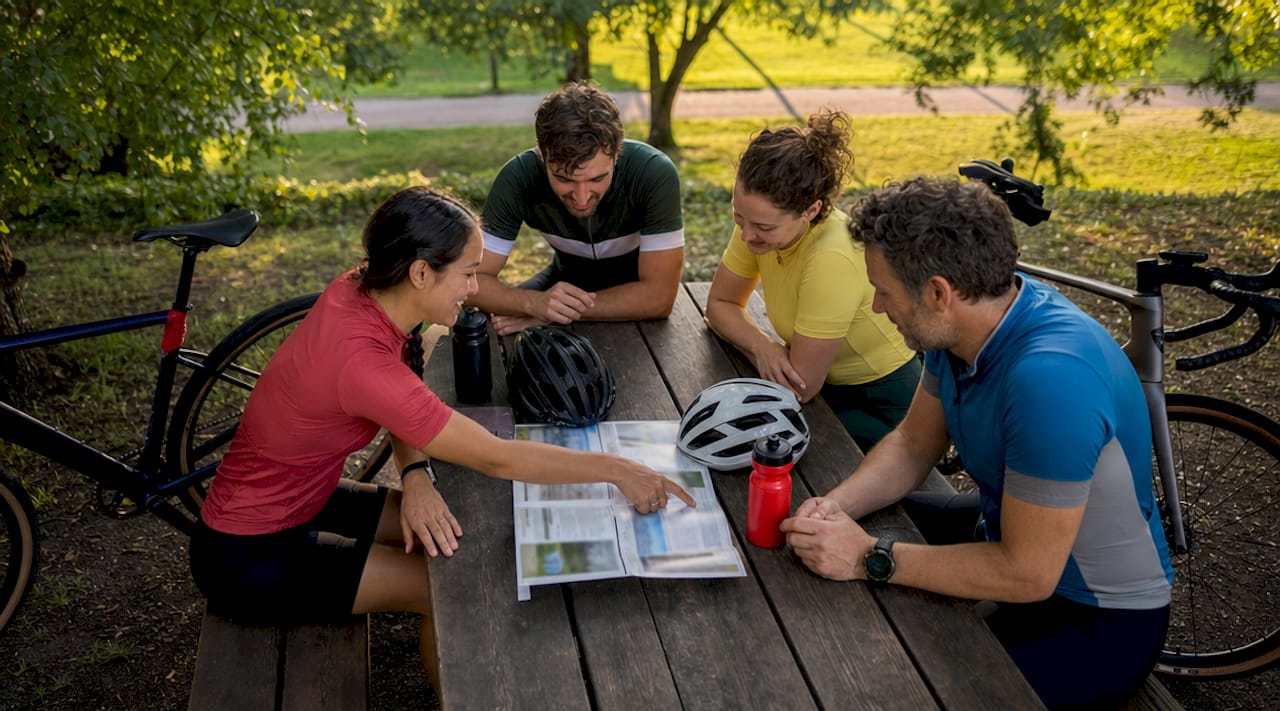
Next, assess route difficulty honestly. Many fundraising cycling events offer multiple distance options to accommodate different fitness levels. Clatterbridge Cancer Charity’s Bike Chester, for example, offers 31, 47, and 82-mile routes and even allows e-bike participation. That range means a first-time charity cyclist and a seasoned club rider can both participate in the same event without either feeling under-challenged or overwhelmed.
Consider these factors when comparing events:
- Cause: Does the charity’s mission resonate with you personally?
- Distance: Does the route match your current fitness level with room to train up?
- Format: Is it a single-day ride, a multi-day challenge, or a competitive gran fondo?
- Fundraising threshold: What is the minimum sponsorship required, and is it realistic for your network?
- Location and logistics: Can you get there easily, and does the event provide accommodation for multi-day rides?
Multi-day charity cycle rides carry significantly higher commitments. The Ellis Edwards Foundation’s South Coast Bike Ride, for instance, requires £350 entry plus £500 minimum sponsorship, though two nights of accommodation are included. That structure suits experienced riders with strong fundraising networks. Single-day events with a $100 minimum sponsorship are a far better starting point for most people.
How to register and set up your fundraising page
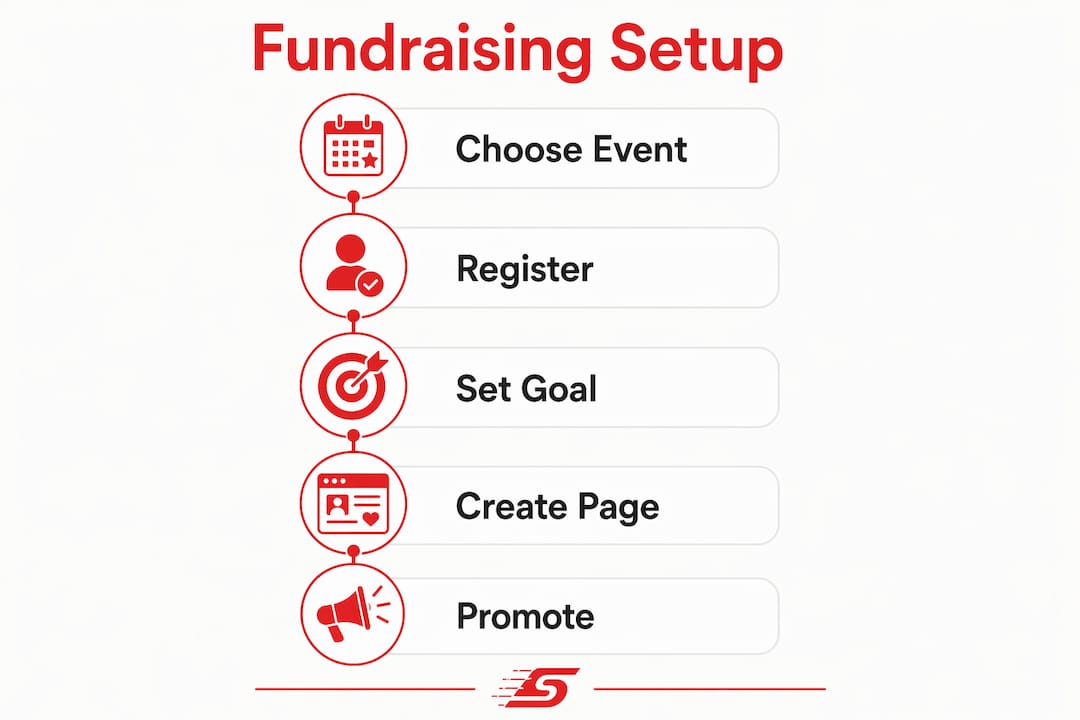
Once you have selected your event, registration is straightforward but requires attention to detail. Most charity bike ride events use online registration forms where you select your route, confirm your entry fee payment, and agree to a minimum fundraising commitment.
Follow these steps to get registered and fundraising quickly:
- Complete the online registration form. Fill in your personal details, select your preferred route distance, and pay the entry fee. Some events offer early-bird pricing, so registering several months out saves money.
- Confirm your fundraising commitment. Many events, such as St Luke’s Hospice Cheshire’s Salt Line Cycle, require a minimum £100 sponsorship on top of the registration fee. Read the terms carefully before committing.
- Watch for additional platform fees. Some organizers use third-party registration systems that add charges. Action Medical Research’s Ride Wessex Downs, for example, applies a 3% transaction fee plus a service fee via Njuko GB Ltd. Budget for these upfront.
- Create your fundraising page. Platforms like JustGiving route sponsorship payments directly to the charity, so you never handle donations manually. Set a goal that is 20 to 30 percent above the minimum to give yourself a motivating target.
- Write a compelling personal story. Your fundraising page needs a short paragraph explaining why you are riding. Specific, personal reasons consistently outperform generic appeals. Mention the cause, your connection to it, and what the ride means to you.
- Share immediately and often. Send the link to your email contacts, post it on social media, and ask your closest supporters first. Early momentum signals credibility to later donors.
Pro Tip: Some events offer tangible rewards for exceeding fundraising targets. Salt Line Cycle refunds the cost of your event jersey if you raise or donate over £150. Check your event’s incentive structure before setting your fundraising goal, since a slightly higher target might come with a meaningful reward.
Charity event teams provide more support than most first-timers expect. Clear guidance from event organizers throughout registration and fundraising is standard at well-run events, so do not hesitate to contact the charity directly if you hit a snag.
What gear and training you need before the ride
Physical preparation and the right equipment are non-negotiable for a safe and successful charity cycle ride. The good news is that you do not need to be a competitive cyclist. You need to be fit enough to complete your chosen distance comfortably and equipped well enough to handle common on-road situations.
Training timeline
For a 30 to 50-mile route, eight to twelve weeks of progressive training is sufficient for most recreational cyclists. Build your weekly mileage by no more than 10 percent per week to avoid overuse injuries. Include at least one longer ride per week that mirrors the terrain of your event route.
Essential gear checklist
| Item | Why it matters |
|---|---|
| Properly fitted helmet | Non-negotiable safety requirement at every charity ride event |
| Hydration system | Water bottles or a hydration pack prevent bonking on longer routes |
| Energy snacks | Gels, bars, or real food sustain power output over 2-plus hours |
| Spare inner tube and pump | A flat tire ends your ride without these two items |
| Lights (front and rear) | Required for early starts or low-visibility conditions |
| Weather-appropriate kit | Arm warmers and a gilet handle temperature swings on long rides |
Devon Air Ambulance Trust recommends helmet fit, lights, hydration, and a basic repair kit as the core essentials for any charity ride participant. That list is the floor, not the ceiling.
Pro Tip: Experienced riders carry fail-safes regardless of event support. Pack a second spare tube, a small multi-tool, and a credit card. Aid stations cover most situations, but a mechanical issue between stations on an 80-mile route is not the moment to discover you only brought one tube.
Route-specific preparation matters as much as fitness. Longer routes change aid station frequency and hydration needs, which directly affects how you pace and fuel. Study the route profile in advance, identify where aid stations fall, and plan your nutrition strategy around those stops rather than riding by feel.
What to expect on event day and how to maximize your impact
Event day at a cycling fundraiser follows a predictable structure once you know what to look for. Arriving prepared for the logistics means you can focus on the ride and the community around you.
- Check-in opens early. Most events begin check-in 60 to 90 minutes before the first wave start. Arrive with time to collect your number, check your bike, and warm up without rushing.
- Wave starts manage traffic. Large charity rides stagger start times by route distance or estimated pace. Faster riders and longer routes typically go first. Know your wave before you arrive.
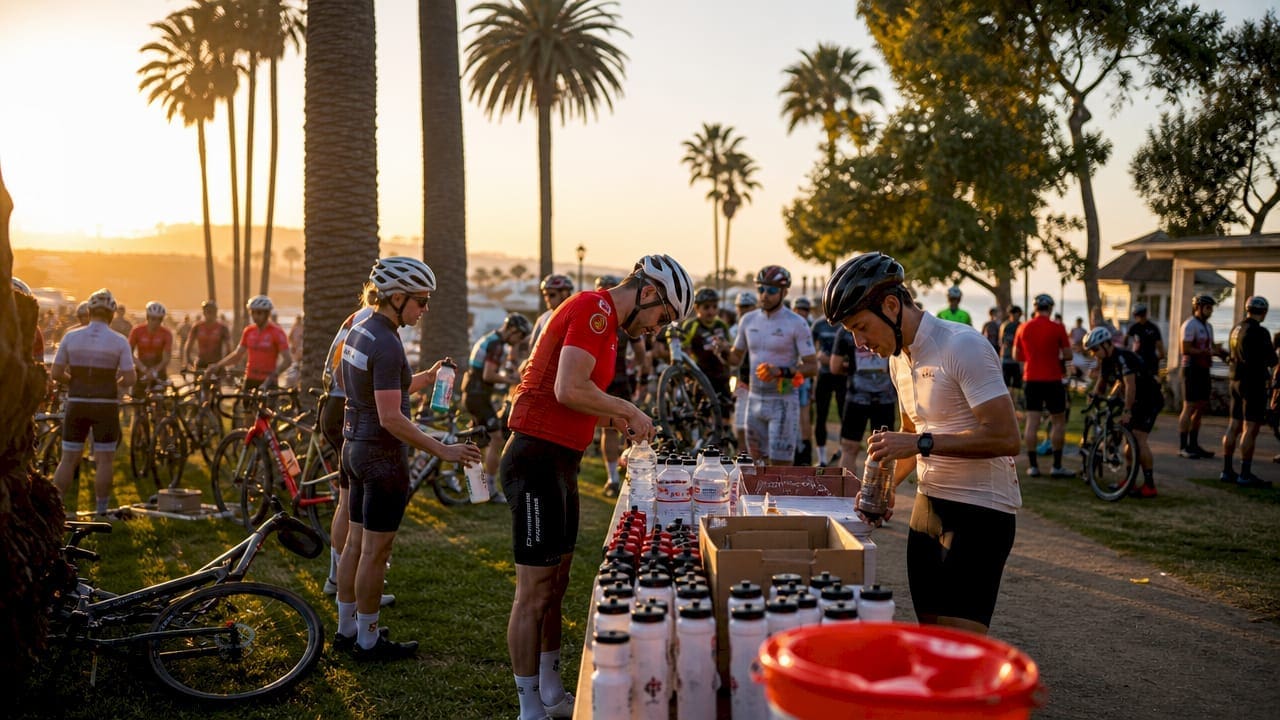
- Aid stations are your fueling anchors. Ride Wessex Downs posts start times and provides aid stations proportionally to route length. Use every station, even if you feel fine. Eating and drinking before you feel hungry or thirsty is the single most effective pacing strategy.
- Share live updates during the ride. Special Olympics Northern California’s Bike the Bridges encourages event-day social sharing to drive last-minute donations. A quick photo at a scenic point or a mid-ride update can generate a meaningful spike in your fundraising total.
- Post-ride activities build community. Most events include a finish-line celebration with food, music, and sponsor booths. Stay for it. The connections you make with fellow riders often lead to future rides and deeper involvement with the cause.
Pacing conservatively in the first third of your route pays dividends in the final miles. Many first-time charity cyclists go out too hard, chasing faster riders, and pay for it after the halfway point. Ride your own event.
Key takeaways
Joining a charity cycling ride fundraiser requires selecting the right event, registering with a clear fundraising plan, preparing physically and logistically, and engaging your network before and during the ride.
| Point | Details |
|---|---|
| Match event to your level | Compare route distances, fundraising minimums, and cause alignment before registering. |
| Budget for all fees | Entry fees, platform transaction charges, and fundraising minimums all add up. |
| Use JustGiving or similar platforms | Automated donation routing removes manual collection and builds donor trust. |
| Prepare gear and training early | Eight to twelve weeks of progressive training and a solid repair kit are the baseline. |
| Share updates on event day | Live social media posts during the ride consistently generate last-minute donations. |
Why charity rides are worth every mile
We have covered a lot of charity cycling events at SoCalCycling.com, from local community rides to multi-day coast-to-coast challenges. The pattern we see consistently is this: riders who prepare well and engage their networks early finish with both a personal achievement and a fundraising total that surprises them.
What most first-timers underestimate is the motivational effect of the community itself. When you are 60 miles in and your legs are arguing with you, the rider next to you who is doing it in memory of someone they lost is the reason you keep pedaling. That is not something you get from a solo training ride or a virtual event.
We also think the fundraising side gets undersold as a skill. Writing a compelling page, timing your asks, and sharing authentic updates are things you get better at with each event. Riders who treat fundraising as an afterthought consistently fall short of their minimums. Riders who treat it as part of the challenge consistently exceed them.
Our honest take: start with a single-day event at a distance that feels slightly ambitious. Raise 20 percent more than the minimum. Show up on event day with a full repair kit and a charged phone. The rest takes care of itself.
Explore charity cycling events with SoCalCycling.com
SoCalCycling.com tracks charity bike ride events, gran fondos, and community cycling fundraisers across Southern California and beyond. Whether you are looking for your first bike ride for a cause or planning a multi-day cycling challenge, the event calendar and news coverage give you the information you need to make a confident choice.

From registration tips to gear reviews and race coverage, SoCalCycling.com is the resource Southern California cyclists rely on to stay connected to the events and causes that matter. Browse the latest listings, read event previews, and find your next charity cycling challenge in one place.
FAQ
What is a charity cycling ride fundraiser?
A charity cycling ride fundraiser is a cycling event where participants complete a set route while raising money for a designated cause through sponsorship and donations. Riders typically pay a registration fee and commit to a minimum fundraising target.
How much does it cost to join a charity bike ride?
Costs vary by event but typically include a registration fee plus a minimum fundraising commitment. St Luke’s Hospice Cheshire’s Salt Line Cycle charges a registration fee alongside a minimum £100 sponsorship requirement, which is representative of many single-day events.
Do I need to be an experienced cyclist to participate?
No. Most fundraising cycling events offer multiple route distances to accommodate all fitness levels. Events like Bike Chester offer routes from 31 to 82 miles, meaning beginners and experienced riders can participate in the same event.
How do I collect donations for my charity ride?
Platforms like JustGiving handle donation collection automatically and route payments directly to the charity. You create a personal fundraising page, share the link with your network, and the platform manages the rest.
What gear do I need for a charity cycle ride?
The core gear list includes a properly fitted helmet, water bottles or a hydration pack, energy snacks, a spare inner tube, a pump, and front and rear lights. Devon Air Ambulance Trust identifies these as the non-negotiable essentials for safe participation in any charity ride.
Recommended
Article generated by BabyLoveGrowth