
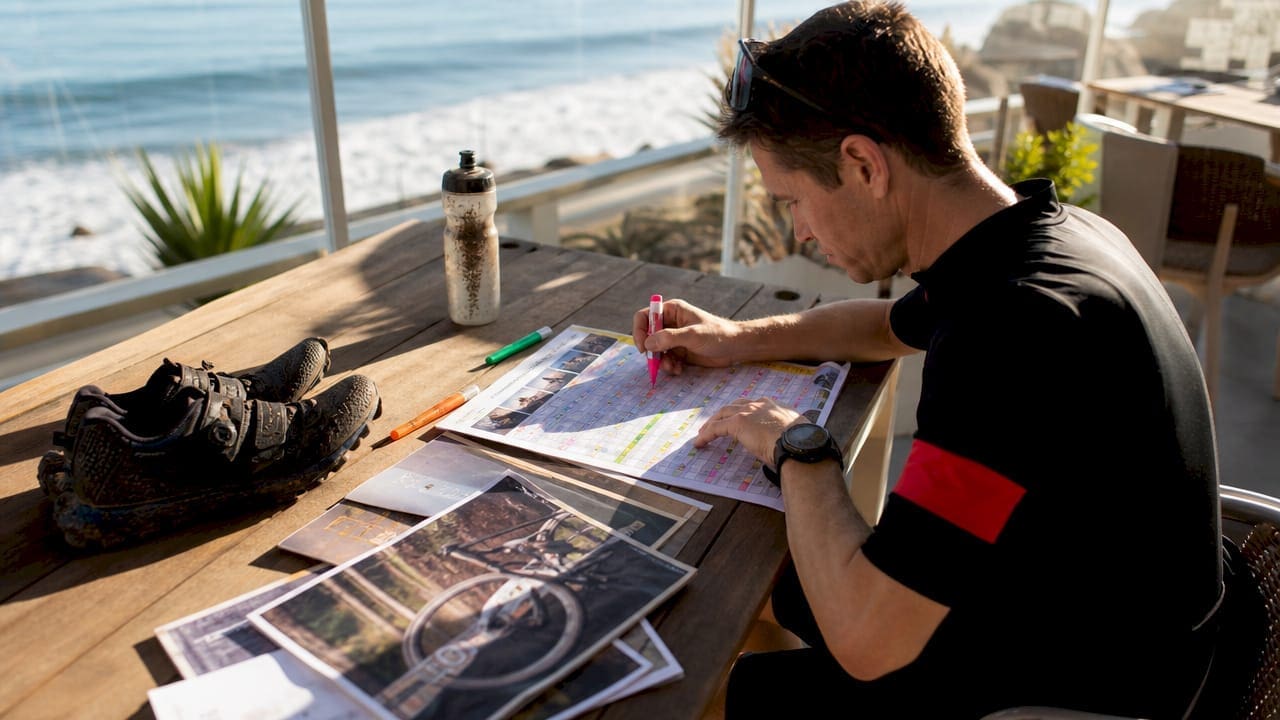
A cyclocross race calendar checklist is the single most effective tool for managing your event schedule, gear readiness, and race-day preparation across a full CX season. The industry term for this practice is “race season planning,” and the checklist format is how serious competitors turn that planning into consistent execution. With the 2026–2027 UCI Cyclo-cross World Cup running 12 rounds from late November through January, and the Telenet Superprestige adding 8 more races to the mix, getting your cyclocross race calendar checklist built early is not optional. It is the difference between a season you control and one that controls you.
1. Key upcoming cyclocross events and how to organize your race calendar
The 2026–2027 UCI Cyclo-cross World Cup opens November 27, 2026, in Czechia, with subsequent rounds in Ostrava, Tábor, Antwerpen, and Hoogerheide. That 12-round structure gives you a clear spine for building your cyclocross event schedule around the sport’s biggest stages. Mapping these dates first prevents the most common planning mistake: registering for a local race on the same weekend as a marquee event you wanted to attend or watch.
The Telenet Superprestige series runs 8 races from October 25, 2026, through January 2, 2027, with a Halloween opener and a Christmas Day event that make it one of the most festive race calendars in cycling. The season opens in Overijse and closes in Gullegem. These themed events attract large crowds and create unique course conditions that reward preparation.
How to structure your personal race calendar:
- Block UCI World Cup and Telenet Superprestige dates first as anchor points
- Add regional and local races around those anchors, leaving recovery weeks after high-intensity events
- Note registration deadlines separately from race dates. Many popular events sell out 6 to 8 weeks in advance
- Flag travel logistics for out-of-region races: accommodation, transport, and equipment shipping
- Build in at least one rest weekend per month during the October through January peak block
Pro Tip: Walk your cyclocross competition calendar backward from your goal race. If your A-race is in January, your peak training block should land in late November, not the week before.
2. Essential pre-race preparation checklist for cyclocross participants
Cyclocross race preparation starts with a non-negotiable gear list. A spares kit must include inner tubes, tire levers, a pump, a multi-tool, and quick links. Mud-race gloves and weather-appropriate clothing round out the kit. Forgetting a quick link in a race where your chain snaps ends your day immediately.
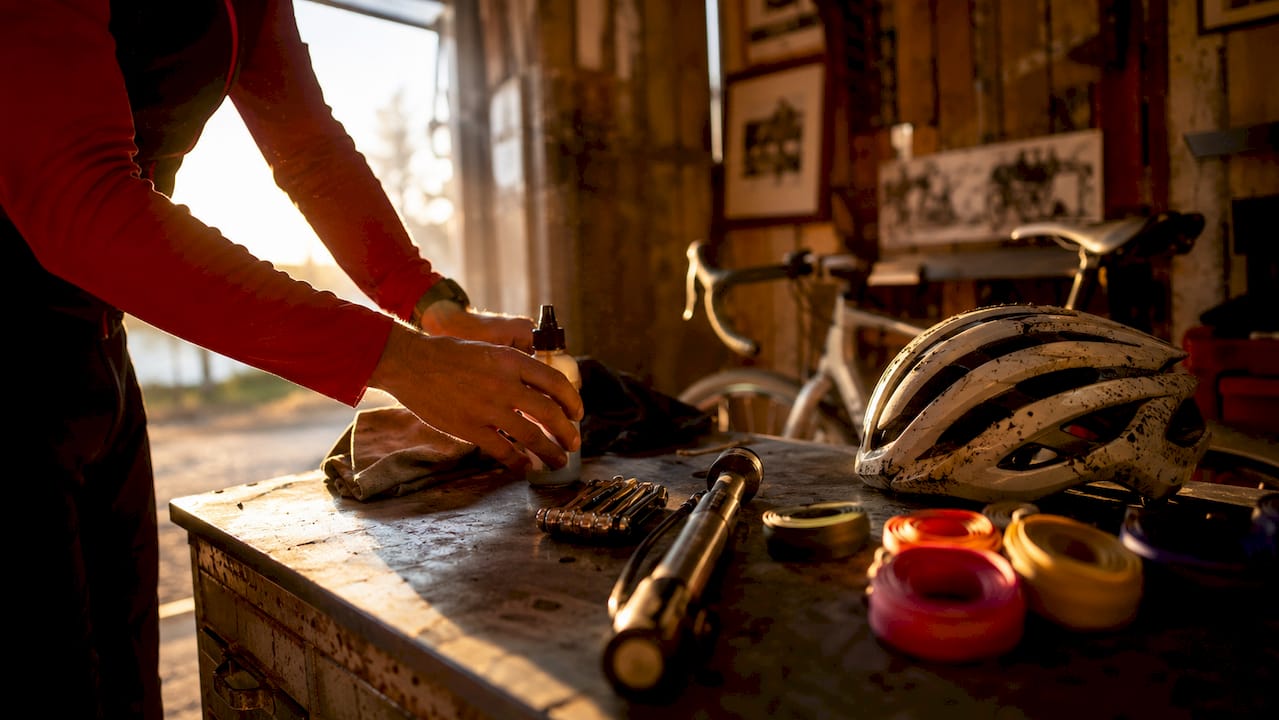
Bike setup simplicity is a competitive advantage in cyclocross. A 1x drivetrain is the standard choice for muddy short-course races because it eliminates the front derailleur as a failure point. Experienced racers prioritize this kind of mechanical reliability over marginal gear range gains. One mechanical failure in a 45-minute race costs more time than any drivetrain optimization could recover.
Tire pressure is one of the most consequential pre-race decisions you make. Lower pressures increase grip in mud, while higher pressures reduce tire squirm on hardpack sections. Walk the course before your race and adjust pressure based on what you observe, not what you used at the last event.
Core pre-race gear checklist:
- Race bike and pit bike or spare wheelset with pre-set tire pressure
- Helmet, gloves, and race shoes with appropriate cleat setup
- Skinsuit or jersey and bib shorts suited to forecast temperature
- Spares kit: tubes, levers, pump, multi-tool, quick links, chain lube
- Food and hydration for warm-up and post-race recovery
- Pit crew communication plan if you have support
Skills to practice before race day:
- Mounting and dismounting at speed on grass and mud
- Cornering with controlled body weight and outside foot down
- Running with the bike over barriers and steep climbs
- Line selection through off-camber sections
Pro Tip: Practice your cycling event preparation routine at a low-stakes local race first. Treat it as a dress rehearsal for your A-race setup, including warm-up timing, pit organization, and gear checks.
3. How to align training strategies with your race calendar
Training for cyclocross demands a specific intensity profile that road or mountain bike training does not replicate. Interval workouts modeled on 5-minute VO2max efforts and motorpacing sessions directly mimic the rapid, recurring anaerobic demands of a cyclocross race. This is not general fitness work. It is race-specific conditioning.
Professional cyclocross athlete Mike van den Ham emphasizes replicating the “Kerstperiode” intensity through targeted interval blocks. The Kerstperiode is the Christmas racing period in Belgium, where elite riders compete in multiple races over just a few days. Training to handle that density of effort is the benchmark for serious cyclocross preparation.
A practical training sequence aligned with the 2026–2027 calendar:
- September through October: Build aerobic base and introduce technical skills sessions on grass and mud
- Late October through November: Shift to race-specific intervals. Add motorpacing behind a scooter or car to replicate the variable cadence demands of CX racing
- December through January (Kerstperiode block): Reduce volume, increase intensity. Race frequently and recover aggressively between events
- Post-season: Transition to base miles and address any technical weaknesses identified during the season
“Race craft, including line choice and smooth dismount/remount skills, often determines race outcomes more than raw power.” — Hidden Tracks Cycling
Coach Charlie at Hidden Tracks Cycling makes the point that beginners gain more from technical fundamentals than from fitness gains alone. A rider who loses two seconds per lap on a poorly executed remount loses over a minute in a 30-lap race. That is a gap no interval session can close if the skill is never practiced.
4. Post-race routines and maintenance to keep your bike race-ready
Mud left on a cyclocross bike does not just look bad. It transforms into a grinding paste that accelerates wear on drivetrain components and brake pads. A bike neglected after a muddy race will cost you significantly more in parts and labor than the time a proper cleaning routine requires.
The post-race cleaning sequence matters as much as the cleaning itself. Rinsing with high-pressure water before mud dries is the most time-efficient step. Once mud hardens, removal requires more effort and risks pushing grit into bearings and cable housings.
Post-race maintenance checklist:
- Rinse the entire bike with low-to-medium pressure water immediately after the race
- Dry the chain and drivetrain with a clean rag before applying fresh lubricant
- Inspect brake pads for embedded grit and replace if worn below the wear indicator
- Check the derailleur hanger for bends caused by course impacts or crashes
- Inspect tires for cuts, embedded debris, and sealant integrity on tubeless setups
- Wipe down the frame, fork, and seatpost to prevent corrosion at contact points
- Store the bike in a dry location with the drivetrain lightly lubricated
Pro Tip: Keep a dedicated post-race kit in your race bag: a small bottle of chain lube, a clean rag, and a cycling safety checklist card that covers the critical inspection points. Running through it in the parking lot takes five minutes and prevents a week of mechanical issues.
5. How to customize your checklist for your goals and skill level
A cyclocross race calendar checklist is not one-size-fits-all. The preparation steps for a beginner entering their first local race differ significantly from those of an experienced racer targeting UCI-level competition. Recognizing that difference and building your checklist accordingly is what separates organized racers from reactive ones.
The table below compares checklist priorities by experience level:
| Category | Beginner racer | Experienced racer |
|---|---|---|
| Race selection | Local and regional events, low-pressure fields | UCI World Cup rounds, Telenet Superprestige, national championships |
| Gear focus | Reliable single bike, basic spares kit | Pit bike or spare wheels, full spares kit, tubeless setup |
| Training emphasis | Technical skills: mounting, dismounting, cornering | Race-specific intervals, motorpacing, Kerstperiode blocks |
| Calendar management | 4 to 8 races per season with recovery weeks | 12 to 20 races, structured periodization around peak events |
| Digital tools | Google Calendar or a basic spreadsheet | TrainingPeaks, Wahoo ELEMNT data review, team coordination apps |
Balancing travel, training, and recovery is the hardest part of managing a full cyclocross competition calendar. Races that require overnight travel add fatigue that does not show up in your training load data. Build that cost into your planning by treating travel days as partial rest days, not free training opportunities.
For riders finding a cycling group to train with, group rides that include off-road or technical terrain sessions are the most efficient way to build CX-specific fitness while staying socially connected to the sport. Local clubs often organize pre-season cyclocross skills clinics that compress weeks of solo practice into a single structured session.
Key takeaways
A complete cyclocross race calendar checklist combines event scheduling, gear preparation, targeted training, and post-race maintenance into one system that keeps you race-ready from October through January.
| Point | Details |
|---|---|
| Build your calendar early | Map UCI World Cup and Telenet Superprestige dates first, then add local races around them. |
| Simplify your bike setup | A 1x drivetrain and correct tire pressure reduce mechanical risk in muddy race conditions. |
| Train to race intensity | Use 5-minute VO2max intervals and motorpacing to replicate cyclocross’s anaerobic demands. |
| Clean your bike immediately | Mud hardens into a grinding paste that accelerates drivetrain wear if left post-race. |
| Customize by experience level | Beginners should prioritize technical skills; experienced racers should focus on periodization and race density. |
What we’ve learned from covering cyclocross season after season
At SoCalCycling.com, we have covered enough cyclocross seasons to know that the riders who show up consistently prepared are not the ones with the most talent. They are the ones with the best systems. A checklist sounds unglamorous, but it is the practical backbone of every successful racing season we have witnessed.
The insight that surprised us most: tire pressure decisions made during a pre-race course walk produce more measurable performance gains than most training interventions. Riders who walk the course, note the mud depth, and adjust pressure accordingly consistently corner better and crash less. It takes 15 minutes and costs nothing.
We have also seen burnout hit riders who treat every race on their cyclocross event schedule as an A-race. The Kerstperiode block in December and January is genuinely demanding, and the riders who arrive at it fresh are the ones who resisted the urge to race every weekend in October. Discipline in calendar management is a form of training.
One more thing we would push back on: the idea that digital tools like TrainingPeaks or Wahoo are only for elite riders. Any racer who wants to track their preparation honestly benefits from structured data. You do not need a coach to use these tools. You need the habit of reviewing what the numbers actually say.
Stay connected to the cyclocross community with SoCalCycling
SoCalCycling.com tracks upcoming cyclocross events, publishes race recaps, and covers athlete development stories from Southern California and across North America. Whether you are building your first checklist for cyclocross races or refining a multi-season training plan, the site gives you the event information and community context to race smarter.

Visit SoCalCycling.com for the latest race calendars, event registration links, and gear preparation guides that complement your season planning. The cyclocross racing community in Southern California is active, welcoming, and growing. Getting plugged into it through a trusted source makes the difference between racing in isolation and racing with a network behind you.
FAQ
What should a cyclocross race calendar checklist include?
A cyclocross race calendar checklist covers event dates and registration deadlines, pre-race gear lists, skills practice targets, training blocks aligned with race density, and post-race maintenance routines. The most effective checklists separate A-race preparation from lower-priority events.
When does the 2026–2027 cyclocross season start?
The 2026–2027 UCI Cyclo-cross World Cup opens November 27, 2026, in Czechia, while the Telenet Superprestige begins earlier on October 25, 2026, in Overijse.
How do I set tire pressure for a cyclocross race?
Walk the course before your race and assess surface conditions. Lower tire pressure increases mud grip, while higher pressure reduces squirm on hardpack. Adjust based on the specific course rather than using a fixed number from your last event.
How often should I clean my cyclocross bike during the season?
Clean your bike after every race without exception. Mud left on the drivetrain hardens and accelerates component wear, turning a 10-minute cleaning task into an expensive parts replacement.
What training works best for cyclocross race preparation?
5-minute VO2max intervals and motorpacing sessions replicate the anaerobic demands of cyclocross most accurately. Pair intensity work with dedicated technical skills practice, since race craft determines outcomes as much as fitness does.
Recommended
- Cycling Sportive Explained: Your Complete Ride Guide
- SoCalCycling.com | California Cycling Events, News and Racing
- Find a Cycling Group Near Me: Your 2026 Guide
- How to Join a Charity Cycling Ride Fundraiser