
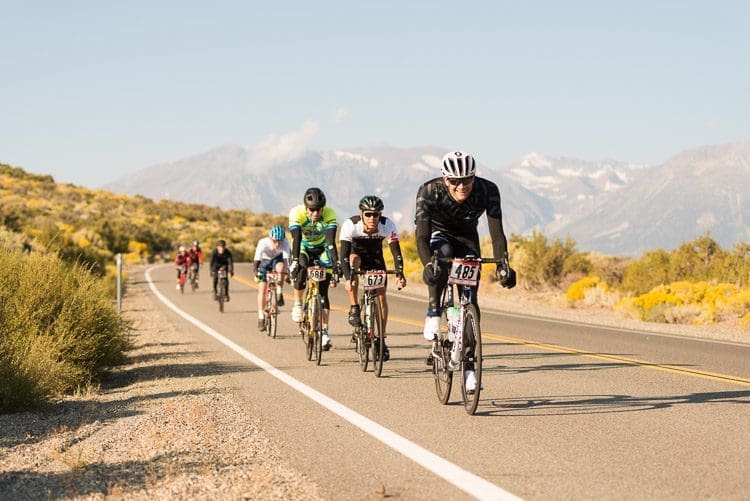
Gran fondos are defined as long-distance, mass-participation cycling events where riders compete against the clock rather than each other. The types of gran fondo events California offers range from short scenic coastal rides to mountainous century challenges with timed segments and elevation gains exceeding 8,500 feet. Events like the Giro di San Diego, Tour de Big Bear, and the California Pass Challenge represent the breadth of what California cycling events deliver. Unlike traditional road races, gran fondos welcome all levels of rider, making them the most accessible endurance format on the California calendar.
1. Types of gran fondo events in California by distance
Distance is the first variable every rider evaluates. California gran fondos typically fall into three categories: short (25–35 miles), medium (50–70 miles), and long (100+ miles). Each category carries a different physical demand, time commitment, and preparation requirement.
Short distance (25–35 miles)
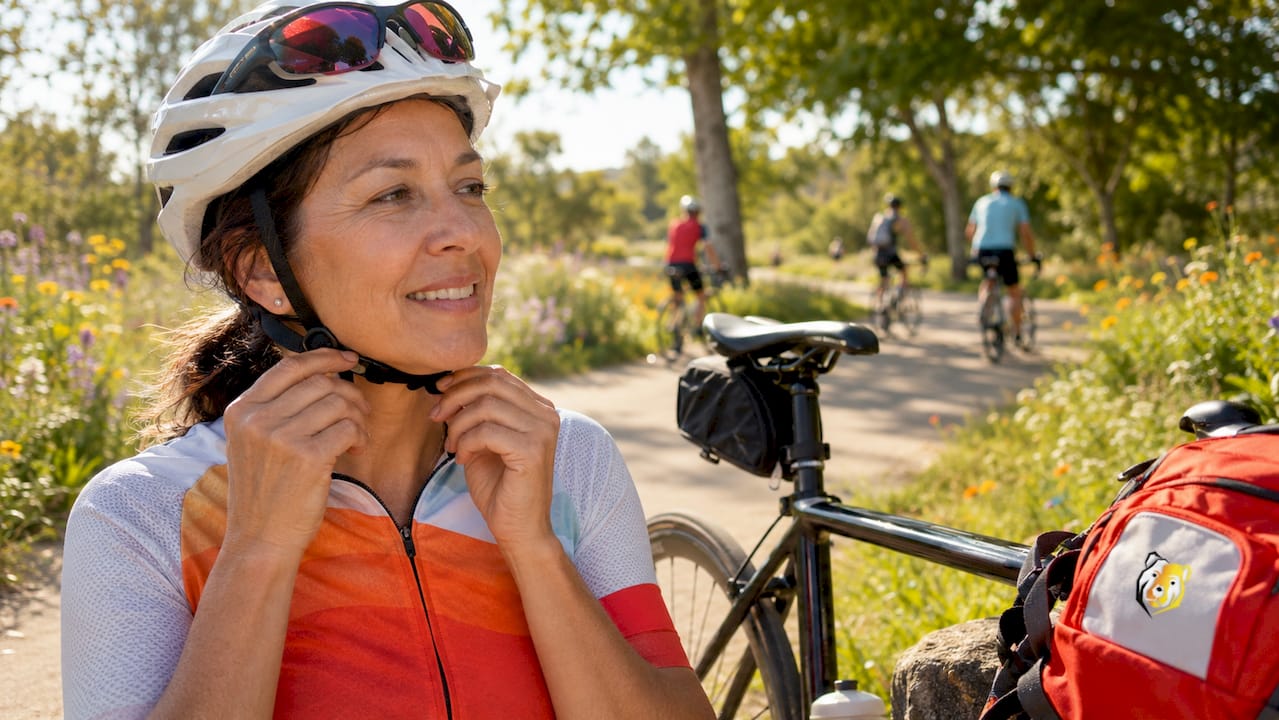
Short routes suit newer riders or those returning after a break. Elevation gain stays modest, aid station spacing is generous, and cut-off times rarely pressure a recreational pace. These events build confidence and teach riders how aid stations, mass starts, and route marking work before they commit to longer distances.
Medium distance (50–70 miles)
Medium routes are the most popular category at California gran fondos. Riders face real climbs and longer time in the saddle, but the distance remains manageable with eight to twelve weeks of focused training. Entry fees for California gran fondo events typically range from $65 to $200, and medium routes sit at the lower end of that range at most events.
Long distance (100+ miles)
Century and double-metric routes define the top end of the gran fondo format. The Tour de Big Bear’s 100-mile route climbs over 8,500 feet, making it one of the most demanding gran fondo options in the state. Cut-off times at this distance matter enormously. A 7-hour cut-off requires a sustained average of roughly 14+ mph, while an 8-hour cut-off drops that requirement to around 12.5 mph. That difference can determine whether a rider finishes or gets swept.
Pro Tip: Choose your distance based on your longest recent ride, not your weekly mileage total. Completing 70% of the event distance in training within the last 2–3 months significantly reduces injury risk on event day.
2. How California gran fondo routes differ by terrain
Route terrain shapes the experience more than distance alone. California’s geography creates three distinct route types: flat coastal, mountainous, and rolling valley. Each demands a different physical skill set and pacing strategy.
| Route type | Typical elevation gain | Representative event | Primary challenge |
|---|---|---|---|
| Flat coastal | Under 2,000 ft | Death Valley Century | Sustained speed, wind |
| Rolling valley | 2,000–5,000 ft | Giro di San Diego | Pacing over repeated climbs |
| Mountainous | 5,000–8,500+ ft | Tour de Big Bear | Climbing endurance, descent skill |
Flat coastal routes reward riders with strong aerobic engines and the ability to hold a steady pace against headwinds. The Death Valley Century is a prime example: minimal elevation change but relentless exposure and distance. Rolling valley rides like the Giro di San Diego layer repeated short climbs that accumulate fatigue faster than the profile suggests.
Mountainous routes are where most riders underestimate the challenge. Elevation gain alters physical demand and pacing strategies far more than mileage alone. A 70-mile mountain ride can be harder than a flat 100-mile ride. Experienced riders always study the elevation profile before registering, not just the total distance. Socalcycling covers a full breakdown of California cycling routes by terrain type for riders who want to preview what each region demands.
3. Event format variations: mass start, timed segments, and support levels
Gran fondos share a common identity but differ significantly in how they are structured on the day. Understanding format variations helps you choose an event that matches your competitive mindset and support needs.
Mass start vs. individual timed segments
Most California gran fondos use a mass start format where all riders leave together at a set time. This creates a communal, festive atmosphere and suits riders focused on personal achievement. Some events add timed segments, typically on key climbs, where riders race against the clock for category rankings. These segments add a competitive layer without turning the entire event into a race.
Supported vs. self-supported rides
Fully supported gran fondos provide aid stations every 15–25 miles stocked with food, water, and mechanical assistance. Self-supported or lightly supported events require riders to carry more nutrition and handle minor mechanicals independently. The Giro di San Diego, for example, offers up to 10.5 hours to complete the course with full aid station support throughout.
Key format factors to evaluate before you register:
- Aid station frequency: More stations mean less weight to carry and more recovery opportunities.
- Timing method: Chip timing at timed segments rewards competitive riders; overall time suits recreational riders.
- SAG support: Sweep vehicles follow the course and collect riders who cannot finish. Know the sweep schedule before you start.
- Neutral mechanical support: Some events provide on-course mechanics. Others do not.
- Atmosphere: Competitive events attract faster riders and a race-like energy. Recreational events prioritize community and scenery.
Pro Tip: Read the event’s cut-off time policy before registering. Comparing average speeds required by cut-off times is the most reliable way to avoid being swept on your first century attempt.
4. Special gran fondo series and challenges in California
California hosts multi-event series that reward riders who complete several gran fondos across a season. These series add structure, motivation, and a sense of achievement that single events cannot replicate.
- California Pass Challenge. This three-event gran fondo series launched for 2026 and includes the Tour de Big Bear, Mammoth Gran Fondo, and Phil’s Cookie Fondo. Completing all three earns riders special medals and exclusive gear. The series spans different terrain types and distances, giving participants a full cross-section of California cycling.
- Tour de Big Bear multi-distance format. The Tour de Big Bear offers distances from 25 to 100 miles with elevation ranging from 1,331 feet to 8,585 feet. This single event functions almost like a series within itself, allowing riders to progress through distance categories year over year.
- Mammoth Gran Fondo. Set at high altitude in the Eastern Sierra, this event adds the challenge of thin air to significant climbing. Riders who complete it as part of the California Pass Challenge earn credit toward the series award.
- Phil’s Cookie Fondo. This event rounds out the California Pass Challenge series with a different character than the mountain-heavy Tour de Big Bear and Mammoth events. It provides variety in terrain and atmosphere while keeping the series cohesive.
- Back-to-back event preparation. Series participation requires planning recovery between events. Prioritize sleep, protein intake, and at least one full rest day between events. Riders who treat each series event as a standalone effort without recovery planning typically underperform on the final event.
Socalcycling tracks cycling event categories and series updates across California, making it a reliable starting point for planning a full season of gran fondo participation.
5. Choosing the right gran fondo for your fitness level
Fitness matching is the most overlooked step when riders register for gran fondo events in California. Most riders pick an event based on its reputation or a friend’s recommendation rather than an honest assessment of their current form.
Gran fondos are designed for non-racers focused on personal challenge, which means the field is wide and welcoming. The mistake riders make is confusing “welcoming” with “easy.” A mountainous 100-mile event with a 7-hour cut-off is a serious athletic undertaking regardless of how friendly the atmosphere feels at the start line.
The most reliable fitness test is your recent long-ride history. If your longest ride in the past two months is 45 miles, a 100-mile mountainous event will punish you. A 60-mile rolling event will challenge you appropriately. Matching the event to your current fitness, not your aspirational fitness, produces better results and a more enjoyable experience.
Riders new to California gran fondos should also study the cycling event format options available before committing. Understanding the difference between a sportive-style event and a timed gran fondo changes how you prepare and what you expect on the day.
Key takeaways
California gran fondos reward riders who match their event choice to their current fitness, terrain preference, and competitive goals rather than picking based on prestige alone.
| Point | Details |
|---|---|
| Distance categories matter | Short (25–35 mi), medium (50–70 mi), and long (100+ mi) each demand different preparation levels. |
| Terrain outweighs mileage | A 70-mile mountain route can be harder than a flat 100-mile ride due to elevation gain. |
| Cut-off times define difficulty | A 7-hour cut-off on a century requires 14+ mph average; know this before you register. |
| Series events build achievement | The California Pass Challenge spans three events across diverse terrain for medals and gear. |
| Recent long rides predict readiness | Completing 70% of event distance in training within 2–3 months reduces injury risk significantly. |
The Socalcycling take on picking your California gran fondo
The biggest misconception we see every season is riders assuming gran fondos are only for competitive cyclists. They are not. Gran fondos are ideal for anyone who wants to test their endurance against a real course with real support. The format exists precisely because most cyclists want a challenge without the pressure of head-to-head racing.
What we have learned from covering California cycling events for years is that preparation beats talent at every distance. A rider who trains specifically for a mountainous 80-mile event will outperform a stronger rider who shows up undertrained every time. The course does not care about your fitness potential. It only responds to your actual preparation.
Our honest recommendation: start one distance category below what you think you can handle. Finish strong, enjoy the experience, and step up the following year. Riders who do this consistently build a gran fondo history they are proud of. Riders who overreach on their first event often quit the format entirely after a difficult day.
Explore the full range of California cycling events on Socalcycling before you commit to a registration. The variety across terrain, distance, and format is genuinely exceptional, and the right event for you is almost certainly already on the calendar.
California gran fondo events on Socalcycling
Socalcycling.com is the go-to resource for California cyclists looking to find, plan, and register for gran fondo events across the state.
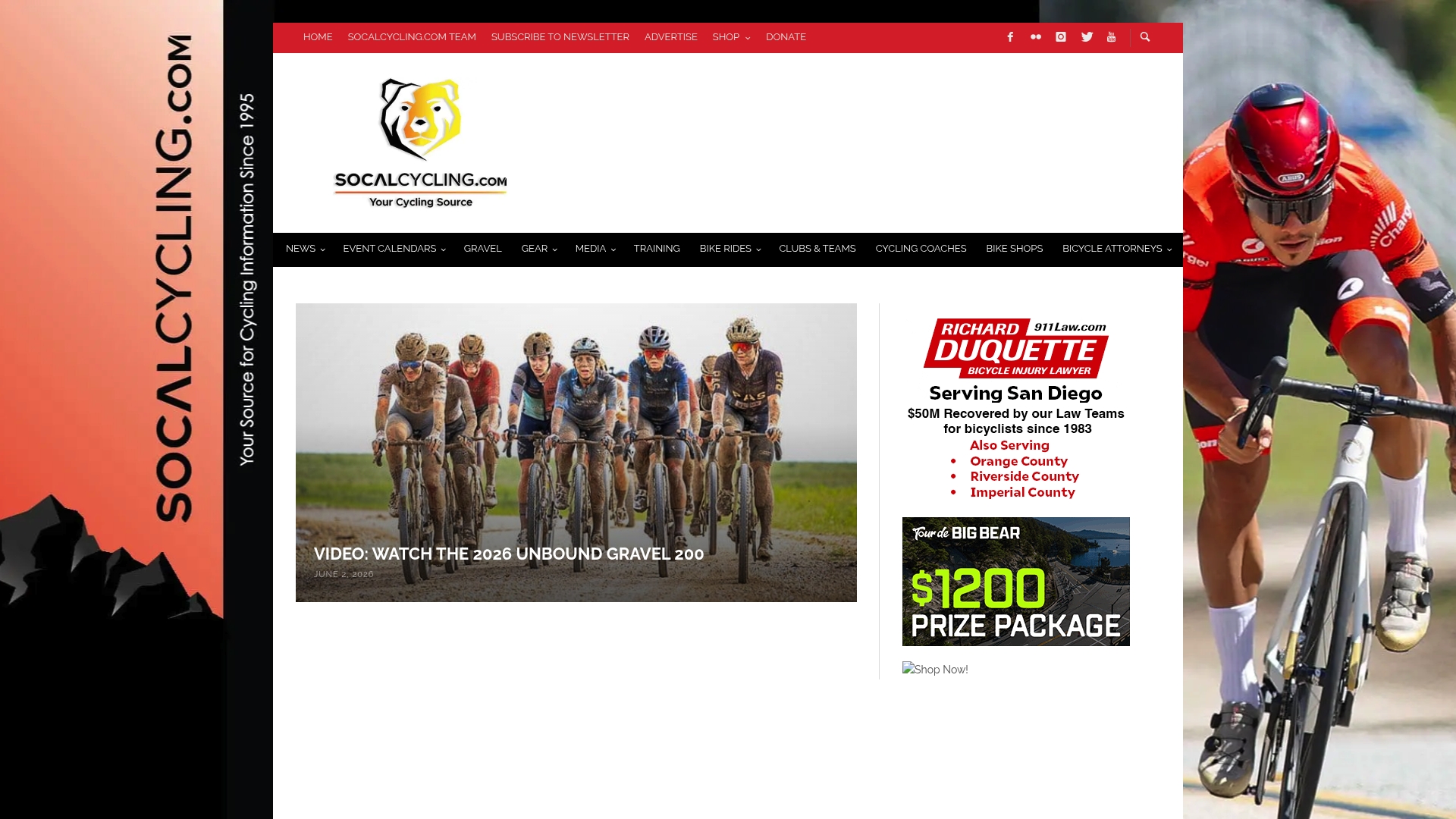
The site covers everything from the Tour de Big Bear and Mammoth Gran Fondo to the full California Pass Challenge series, with event listings, route details, and registration links updated throughout the season. Whether you are targeting your first 50-mile ride or building toward a mountainous century, Socalcycling tracks the California cycling events that match your goals. Check the event calendar, read the route previews, and register for gran fondo events in California before spots fill up.
FAQ
What is a gran fondo event in cycling?
A gran fondo is a long-distance, mass-participation cycling event where riders complete a set course against the clock rather than racing head-to-head. Events typically range from 25 to 100+ miles and welcome all fitness levels.
How do I choose the right gran fondo distance in California?
Base your distance choice on your longest recent ride. Completing roughly 70% of the event distance in training within the past 2–3 months is the most reliable indicator of readiness.
What is the California Pass Challenge?
The California Pass Challenge is a three-event gran fondo series for 2026 that includes the Tour de Big Bear, Mammoth Gran Fondo, and Phil’s Cookie Fondo. Riders who complete all three events earn special medals and exclusive gear.
How do cut-off times affect gran fondo difficulty?
Cut-off times set the minimum average speed required to finish. A 100-mile event with a 7-hour cut-off requires roughly 14+ mph, while an 8-hour cut-off drops that to around 12.5 mph.
Are gran fondos suitable for beginner cyclists?
Gran fondos are designed for non-racers and welcome all levels, but beginners should start with shorter distance options and fully supported events that provide frequent aid stations and sweep vehicle coverage.
Recommended
- Find Criterium Races in Southern California: 2026 Guide
- California Cycling Route Examples for Every Terrain
- Why Gravel Events Have Different Categories: 2026 Guide
- Gravel Race Event Examples Across the United States